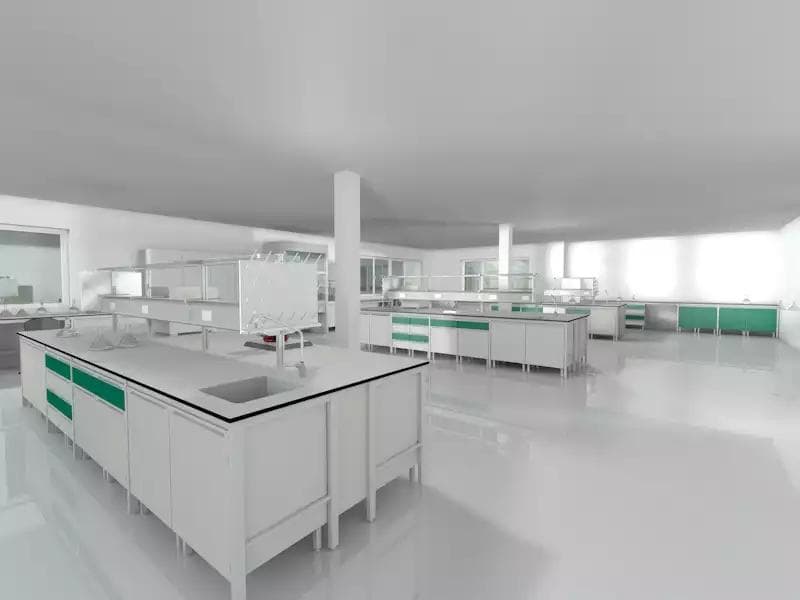
A well-planned laboratory is not only a matter of equipment, but above all of a well-thought-out process, which is the design of the laboratory. Working with an experienced manufacturer allows you to go through every step – from concept to acceptance – minimizing the risk of errors and costly rework. It is crucial to match laboratory furniture, such as laboratory tables, laboratory chairs or laboratory fume hoods, to the specifics of the work and the substances used.
How to start cooperation with a manufacturer of laboratory furniture?
The process of designing a laboratory begins with a request for proposal, in which the specifics of the work, the size of the rooms and the type of reagents used should be clearly defined. This is a key moment, becausea chemical laboratory has different requirements than a microbiology laboratory, a diagnostic laboratory or an industrial laboratory.
The next stage isthe analysis of needs and the preparation of technical specifications, i.e. the precise definition of user expectations, processes and working conditions. This often includes an inventory of the existing space. On this basis, cooperation with a manufacturer of laboratory furniture begins, which offers technical advice and helps to adjust solutions to real needs and budget.
Technical dialogue plays an important role – it allows you to optimize the functional system and select the right materials and equipment, regardless of whether it is a biological, physical, genetic or bacteriological laboratory.
When choosing a supplier, it is worth paying attention to their experience, quality of service, speed of response, certificates and post-implementation support. It is these elements that determine whether the whole process will run smoothly and end with the creation of a safe, well-designed laboratory.
How does the process of designing and creating visualizations of a research space work?
The process begins with the development of a room concept, on the basis of which the manufacturer prepares a 3D visualization and an accurate model in the CAD visualization environment. This is a stage even before production, which allows you to see the layout of the laboratory and catch any errors.
The three-dimensional model takes into account ergonomics of work, health and safety rulesand precise placement of the installation (utilities, ventilation, consumption points), which translates into real optimization of laboratory space. Thanks to this, the design is not only aesthetic, but above all functional.
On this basis, full technical documentation is created, including both the construction design and the detailed design, which are necessary for the implementation of the investment.
Increasingly, projects also take into account ecological aspects – the selection of materials with a lower environmental impact and solutions that improve the energy efficiency of the entire laboratory.
What technical standards and health and safety requirements must the laboratory equipment meet?
Laboratory equipment must meet stringent laboratory standards and occupational health and safety (OHS) rules that guarantee the protection of users and the stability of the entire infrastructure. The key ones are, m.in, PN-EN 13150 (requirements for laboratory furniture) and PN-EN 14727, which determine the quality and durability of tables and equipment elements.
In the case of specialized equipment, standards such as PN-EN 14175 for fume hoods and PN-EN 14470-1 for safety cabinets, as well as PN-EN 14056, which regulate the construction and utility aspects of equipment, also apply.
Attestations and certificates issued by independent units also play an important role – they confirm the compliance of products with hygienic and technical requirements. This is complemented by quality systems such as Good Laboratory Practice (DPL), as well as ISO 17025 and ISO 9001:2015 standards, which govern quality management and laboratory competence.
Compliance with these requirements translates directly into occupational safety – it ensures resistance to loads, fire safety and protection of the health of employees in everyday laboratory work.
How to choose furniture and laboratory worktops for the specifics of the analyses to be performed?
The choice of laboratory furniture and laboratory worktops should always result from the type of research carried out and the substances used. Three parameters are crucial: chemical resistance, thermal resistance and mechanical resistance, which determine durability and safety of operation.
In practice, different materials are used – phenolic resin and HPL laminates work well in standard applications, epoxy resin provides high resistance to aggressive reagents, and technical ceramics offer the highest chemical and thermal resistance. In environments requiring high durability, stainless steel and acid-resistant steel are also used, while solutions such as polypropylene, quartz-granite conglomerate, tempered glass or laminated board appear additionally.
The appropriate laboratory equipment includes not only worktops, but also functional components: fume hoods and extractors protect against fumes, safety cabinets and chemical cabinets enable the safe storage of flammable substances, and weighing tables and anti-vibration tables ensure precise measurements. Laboratory sinks, washing stations, laboratory cabinets and shelves for chemicals are also important to support the organization of work.
All components should be made of chemically resistant and corrosion-resistant materials, which not only increases their durability, but also facilitates disinfection and maintaining high hygiene standards.
How to plan the ergonomics of workplaces and the location of technological installations?
Ergonomics of work in the laboratory is the foundation of efficiency – well-designed workstations reduce fatigue, reduce the risk of errors and improve safety. It is crucial to adjust the height of the worktops, the working range and the logical workflow between workstations.
Modular furniture and mobile furniture are of great importance, as they allow for easy change of layout – e.g. creating laboratory islands or wall tables depending on your needs. This flexibility makes it easier to grow your lab without costly rebuilds.
At the same time, laboratory media and installations are planned: water and sewage system, gas installation (technical gases), electrical installation, vacuum and ventilation system. Their placement must ensure safe access and effective control of chemical fumes through gas exhaust systems and airflow control. Laboratory automation elementsand LIMS (Laboratory Information Management System) systems are also increasingly used.
What does the professional assembly and final acceptance of the completed laboratory look like?
Professional assembly of laboratory furniture is carried out by a certified team of the manufacturer, which guarantees proper transport of furniture, stability of the structure, tightness of the installation and correct connection of all media and equipment.
Acceptance of the laboratory consists of a thorough verification of compliance with the design – the functionality, quality of workmanship and safety of use of the entire infrastructure are checked. This is the stage at which the investor confirms the readiness of the laboratory to work.
An important element is also the training of employees in the operation of equipment (e.g. fume hoods or installation systems), which minimizes the risk of operating errors.
April 11, 2026