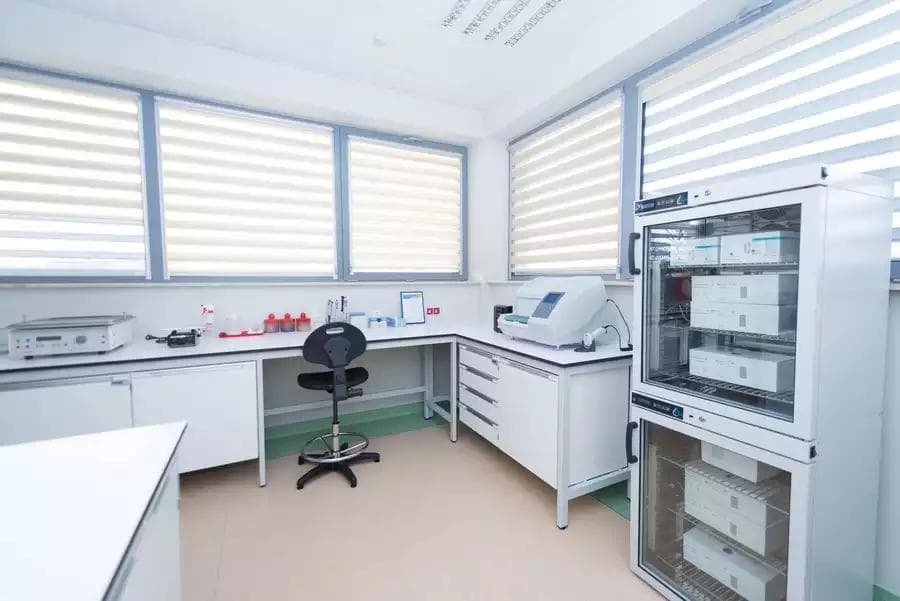
The choice of equipment for a medical facility is a decision that affects not only the comfort of the staff's work, but above all the safety of patients and the fulfilment of sanitary requirements. Properly selected medical furniture must combine durability, ease of disinfection and compliance with applicable standards, such as ISO 13485:2016, which is recognized as a key quality standard for medical devices.
What standards and certificates must medical furniture meet?
Equipment used in healthcare facilities must meet stringent sanitary safety standards and quality and durability requirements. Medical furniture is treated as medical devices, so it is subject to strict control and must comply with applicable regulations and industry standards.
One of the most important requirements is compliance with ISO 13485:2016 (EN ISO 13485:2012), which specifies requirements for quality management systems in the production of medical devices. This standard ensures that the process of designing, manufacturing and inspecting furniture meets certain safety criteria and ensures the reproducible quality of products used in healthcare.
In addition, each piece of equipment should have the following:
safety certificates, confirming approval for use in medical facilities
hygienic certificate, which confirms the possibility of safe contact with patients and disinfectants
health and safety certificates, confirming compliance with the rules of occupational safety
Such quality standards are crucial because they directly affect the safety of patients and medical staff and are the basis for approval of equipment for use in the healthcare system.
What are the most important criteria for choosing medical furniture?
Choosing the right medical furniture in a healthcare facility is crucial for patient safety, staff comfort and sanitation. Well-selected equipment affects not only the organization of work, but also the quality of medical services provided and the image of the entire facility. Aspects such as the following are important:
- Ergonomics and functionality
Ergonomic furniture is adapted to the requirements of ergonomics of work, which facilitates daily medical procedures, reduces the workload on staff and increases the comfort of work. At the same time, they also improve the comfort of patients during examinations and procedures.
- Durability and build quality
Laboratory furniture must be resistant to intensive use and meet hygienic standards. Long durability means longer service life and less need to replace equipment.
- Easy to disinfect and hygienic
Surfaces should be resistant to chemicals and easy to clean, which directly affects the maintenance of a high level of hygiene in a medical facility.
- Aesthetics and image of the institution
Modern design affects the well-being of patients and builds a professional image of the facility, which is important in assessing the quality of medical services.
- Price and quality
Buying medical furniture should be considered as a long-term investment – higher quality means greater durability, better functionality and higher quality of healthcare foryears to come.
What materials are medical furniture made of?
Medical furniture is made of materials that provide chemical resistance, durability and ease of disinfection. The most commonly used are stainless steel and acid-resistant sheet, which are resistant to corrosion and aggressive cleaning agents.
Powder-coated metal furniture is also popular – powder coating and antibacterial powder paint reduce the growth of microorganisms and increase hygiene of use.
HPL laminates are also used in medical equipment to provide a smooth, easy-to-clean surface, as well as otherdamage-resistant laminates and composite materials and disinfectants. In addition, plastics and tempered glass are used, which improve the functionality and aesthetics of the equipment.
What furniture is necessary in a doctor's and treatment office?
In a doctor's office, the basic equipment is doctor's desks, wardrobes, medical couches and medical stools. Examination chairs with an adjustable headboard angle are also important, which facilitate diagnostics.
In the treatment room, treatment chairs, treatment tables, medical trolleys, surgical tables and assistants aremainly used, providing quick access to tools. In more advanced procedures, couches and operating tables are also used.
Hospital beds and bedside cabinets are necessary inthe patient room.
Functionality is crucial: height adjustment, mobility on wheels with a lock and medical screens to ensure intimacy for patients.
How to safely store medicines and medical records?
Safe storage of medicines and medical records in healthcare facilities is crucial to ensure control over access to pharmaceutical preparations and the protection of patient data. For this purpose, specialized furniture systems adapted to sanitary and legal requirements are used.
Medical cabinets and medicine cabinets are used to store medicines and sterile instruments, which allow for the orderly storage of pharmaceutical preparations. They often take the form of medicine cabinets or cabinets with glass doors, made of tempered glass, which allows you to quickly locate the contents without having to open them.
Each cabinet should be equipped with a lock that secures access against unauthorized persons and reduces the risk of unauthorized use of medication. Such solutions are the basis for safe storage in medical offices and first aid kits.
Equally important are filing cabinets, security cabinetsand medical record cabinets, which are used to store patient data. Their use results directly fromthe requirements of the GDPR (data security), which impose the obligation to protect medical information from access by third parties and its unauthorized disclosure.
Is it worth ordering custom-made medical furniture?
Ordering custom-made medical furniture is particularly beneficial in facilities where it is crucial to maximize the use of space and adapt the equipment to specific medical procedures. This solution allows you to better adjust the layout of the office, laboratories or treatment zones to the real needs of the staff. Especially in specialist spaces, where m.in.laboratory chairs are used, the matching of equipment has a direct impact on the ergonomics of work.
The biggest advantage is the organization of space – individually designed furniture allows for optimal placement of equipment, which translates into greater optimization of work and a smoother flow of patients and staff. This is especially important in small or non-standard rooms. This also applies to advanced installations, such as laboratory fume hoods, which require precise planning of space and infrastructure.
Cooperation with proven suppliers often includes comprehensive consulting and design, thanks to which it is possible to fully personalize the equipment – from the functional layout to the choice of colors, tailored to the character of the facility. In practice, this also includes interior design and the integration of equipment into existing infrastructure.
An additional advantage is modern modular furniture systems, which allow you to flexibly expand and modify the equipment in the future. Although this often involves an individual quote, investing in custom-made solutions usually translates into better ergonomics, higher functionality and long-term work efficiency.
April 14, 2026