Designing a modern laboratory goes beyond selecting worktops and cabinets. A research workstation functions properly only when the installation "bloodstream" integrated with the furniture is planned with the same care as the room layout. The distribution of utilities such as electricity, water, and technical gases determines the safety and efficiency of the researchers' work.
Moisture-resistant power supply - IP44 class electrical installation
Power supply safety is the foundation of designing any laboratory. Due to contact with moisture, reagents, and measuring equipment, sockets mounted on research workstations should have a minimum ingress protection rating of IP44, protecting against splashing water. This requirement should not be overlooked even at workstations considered "dry."
Equally important is the physical separation of wiring from the workspace. Power installations are routed in dedicated channels made of sheet metal, plastic, or aluminum, hidden inside the installation panels of the furniture. This eliminates the risk of cable damage during work and organizes the aesthetics of the workstation.
In the RL3 system, power supply points are additionally placed in extensive overhead structures, rather than directly on the worktop. This frees up the workspace and protects the sockets against accidental flooding, while improving ergonomics.
Water and sewage: chemistry-resistant installation
The choice of sink material should result from the characteristics of the research conducted, as plastics offer different chemical resistance. Polypropylene works well where impact resistance counts, ceramics protect against acids and high temperatures, epoxy resin withstands contact with solvents, and stainless steel provides the highest level of hygiene.
An important element of protecting under-counter installations are worktops with a raised edge, the so-called "marine edge". They retain up to 5 liters of accidentally spilled liquid before it reaches the elements under the counter. An additional safeguard are spouts coated with chemically resistant polyamide, extending the lifespan of the sanitary installation.
Special attention must be paid to the neutralization of chemical wastewater before it enters the sewage system. Renggli's offer includes under-sink and flow neutralizers that automatically correct the pH of the rinsings leaving the workstation, without the need for manual supervision of the process.
Technical gas installation without the risk of leaks
Technical gas installations primarily supply burners used in classic preparation techniques. Their design requires special care, as a leak in the gas installation is one of the more serious hazards in the laboratory.
A key safety element are fittings with an automatic gas flow lock, which automatically cut off the utility supply in the event of abnormal pressure or hose damage. This meets the highest health and safety standards applicable in research facilities.
Gas draw-off points are best routed on vertical panels or in overhead structures, and not on the worktop. Such placement eliminates the risk of mechanical damage to flexible hoses during work on island and wall benches.
Stable pressure at every workstation: pneumatic installation
Compressed air is one of the most universal laboratory utilities - it powers the pneumatics of measuring instruments and is used to dry glassware with blow guns. Due to its wide application, the installation must ensure pressure stability throughout the system.
Proper routing of the hoses eliminates the risk of leaks, which in the long term excessively burden the compressors and increase operating costs.
Integrated filters and quick couplings mounted at the ends of the installation panels facilitate the daily work of researchers by cleaning the air of impurities and moisture and maintaining stable pressure parameters.
Vibration-free vacuum: installation for lyophilization and filtration
Vacuum lines are used for lyophilization, vacuum filtration, or solvent evaporation. When designing such an installation, it is necessary to decide at the outset what vacuum source the workstation will use.
The first option is a connection to the building's central vacuum network, which works well with a large number of workstations. The second is local diaphragm pumps, hidden in the base cabinets of the furniture - which requires well-thought-out cabinet ventilation and dampening of the vibrations generated by the pump.
Regardless of the vacuum source, it is crucial to place dedicated control valves in the panels, allowing for precise adjustment of the suction power according to the needs of the process.
Specialized laboratory gases
High-purity gases (helium, argon, or nitrogen, used, among others, in chromatography) require a different approach to installation design than standard utilities. Even minimal contamination of the line can affect the analysis results, which is why they are routed through stainless steel tubes joined by welding, rather than traditional fittings.
Laboratory furniture acts as an integrating function here and allows for the orderly placement of reduction panels and precise cylinder regulators within the shelving and workstation system. The gas infrastructure thus remains organized and easily accessible for inspection.
Due to process safety, it is worth combining specialized gas installations with vapor detection systems equipped with audible alarms, guaranteeing immediate warning to personnel in the event of line depressurization.
Utilities supplied to fume hoods
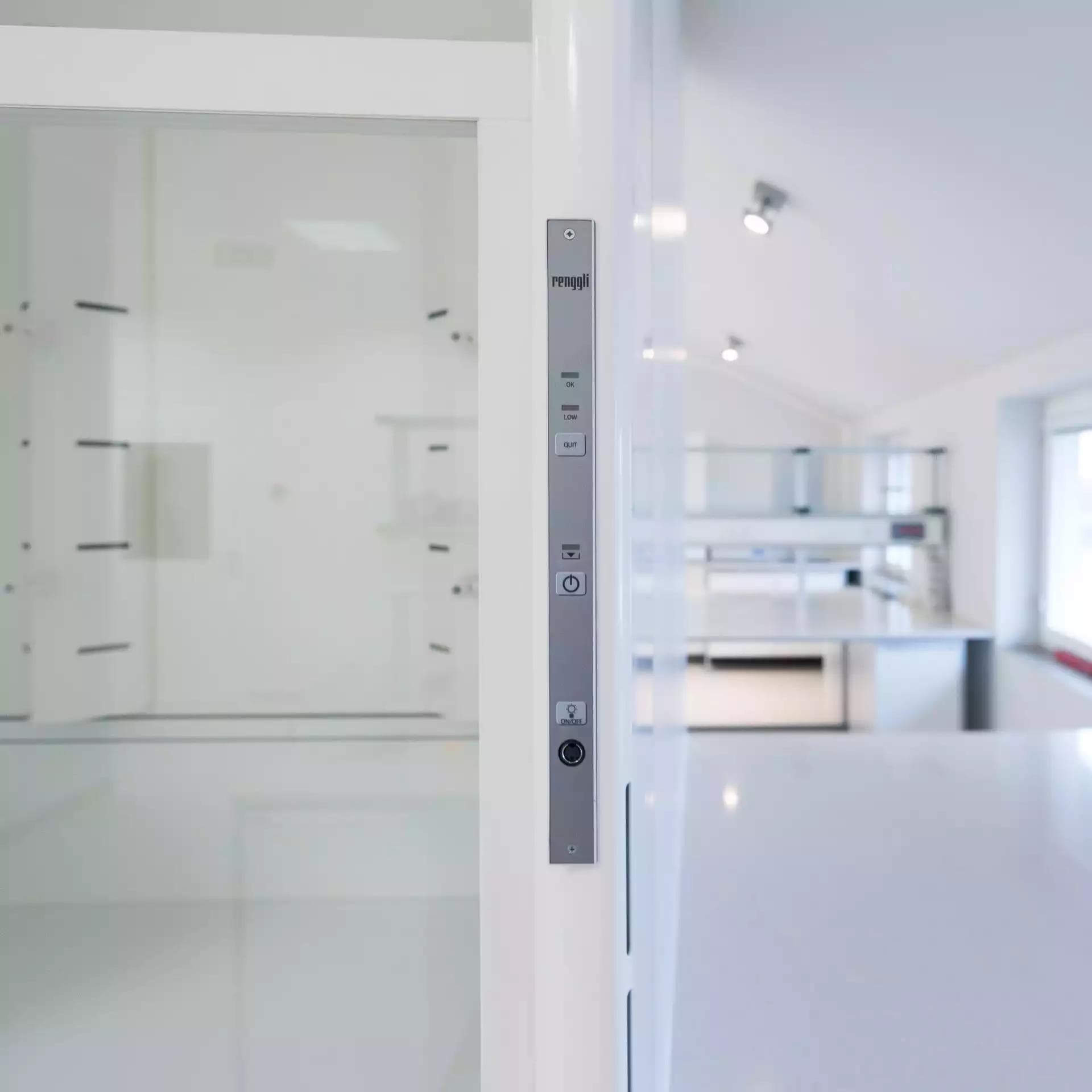
Chemical fume hoods are workstations where almost all previously described utilities are concentrated simultaneously: electricity, water, gas, compressed air, vacuum. Such accumulation requires a well-thought-out structural solution, enabling safe operation without interfering with the working zone of the exhaust.
A commonly used solution is a "utility drawer" located under the worktop, in the front frame of the fume hood. It allows operating the valves from outside the chamber, eliminating the need to put hands inside it. A small "cup sink" is responsible for draining spilled liquids.
The choice of fume hood technology is determined by the building conditions and installation costs. Classic ducted fume hoods require connection to mechanical ventilation and exhausting the air outside, which involves costly installation work, especially in buildings adapted for laboratory purposes.
August 19, 2026