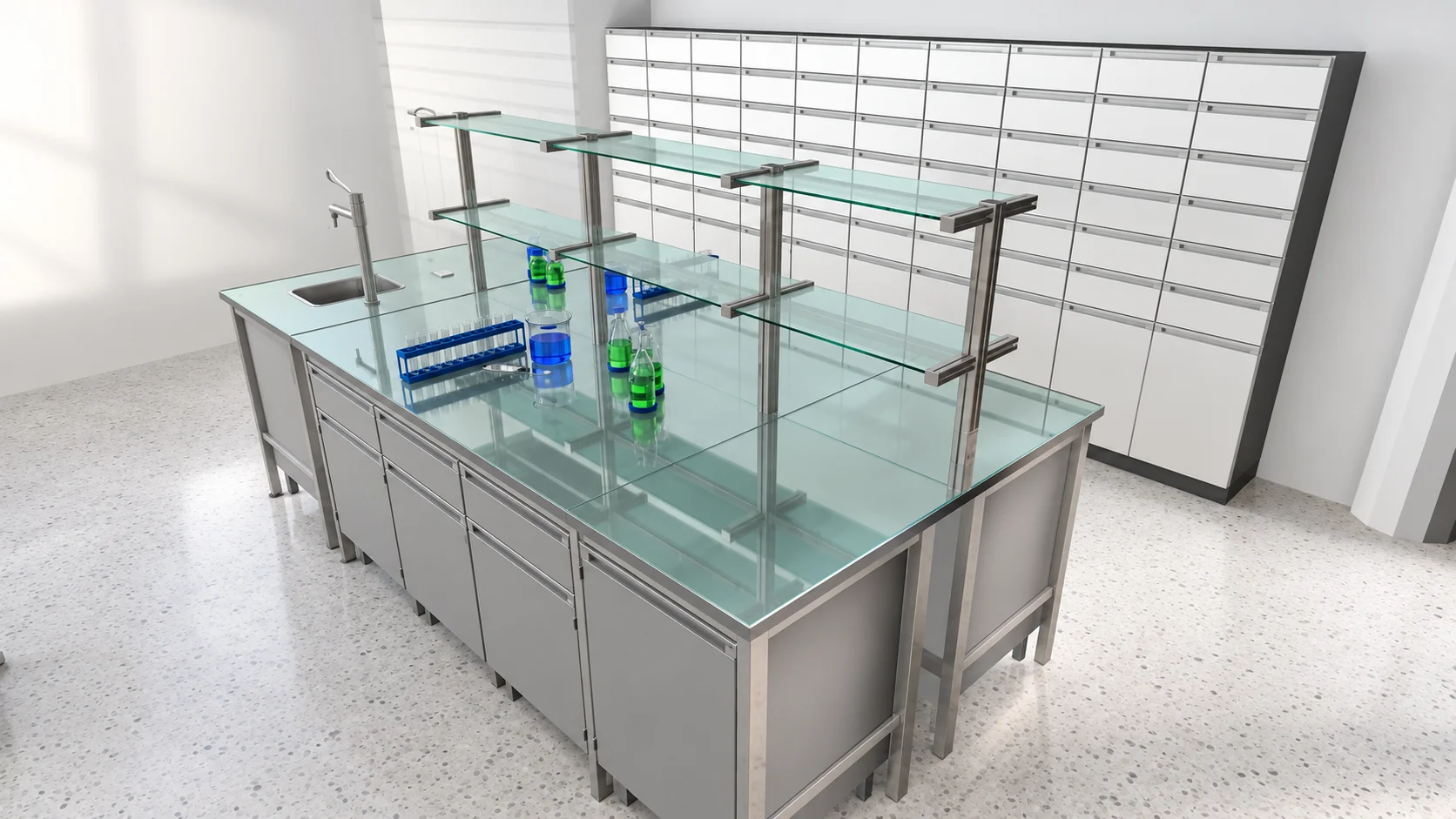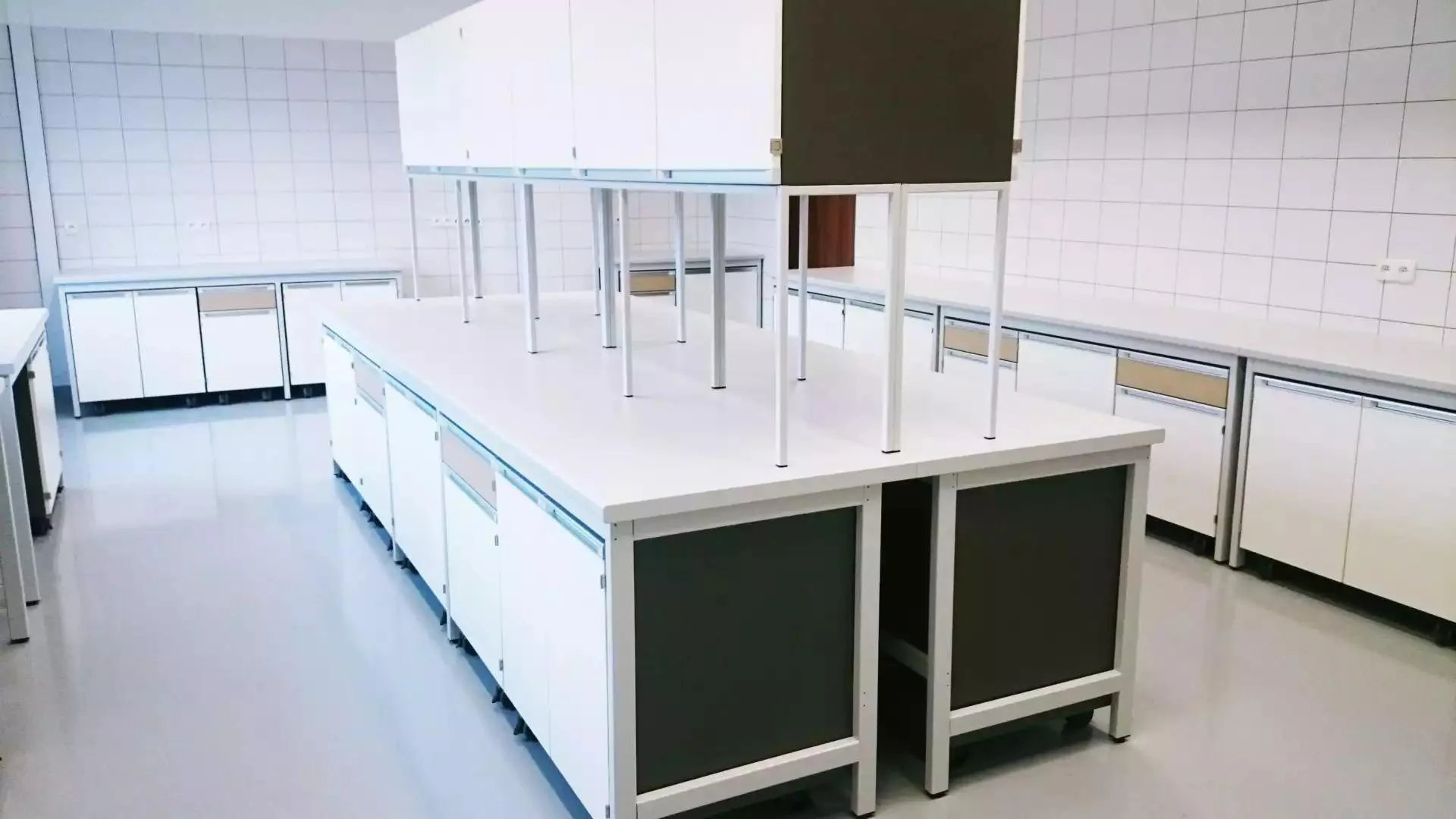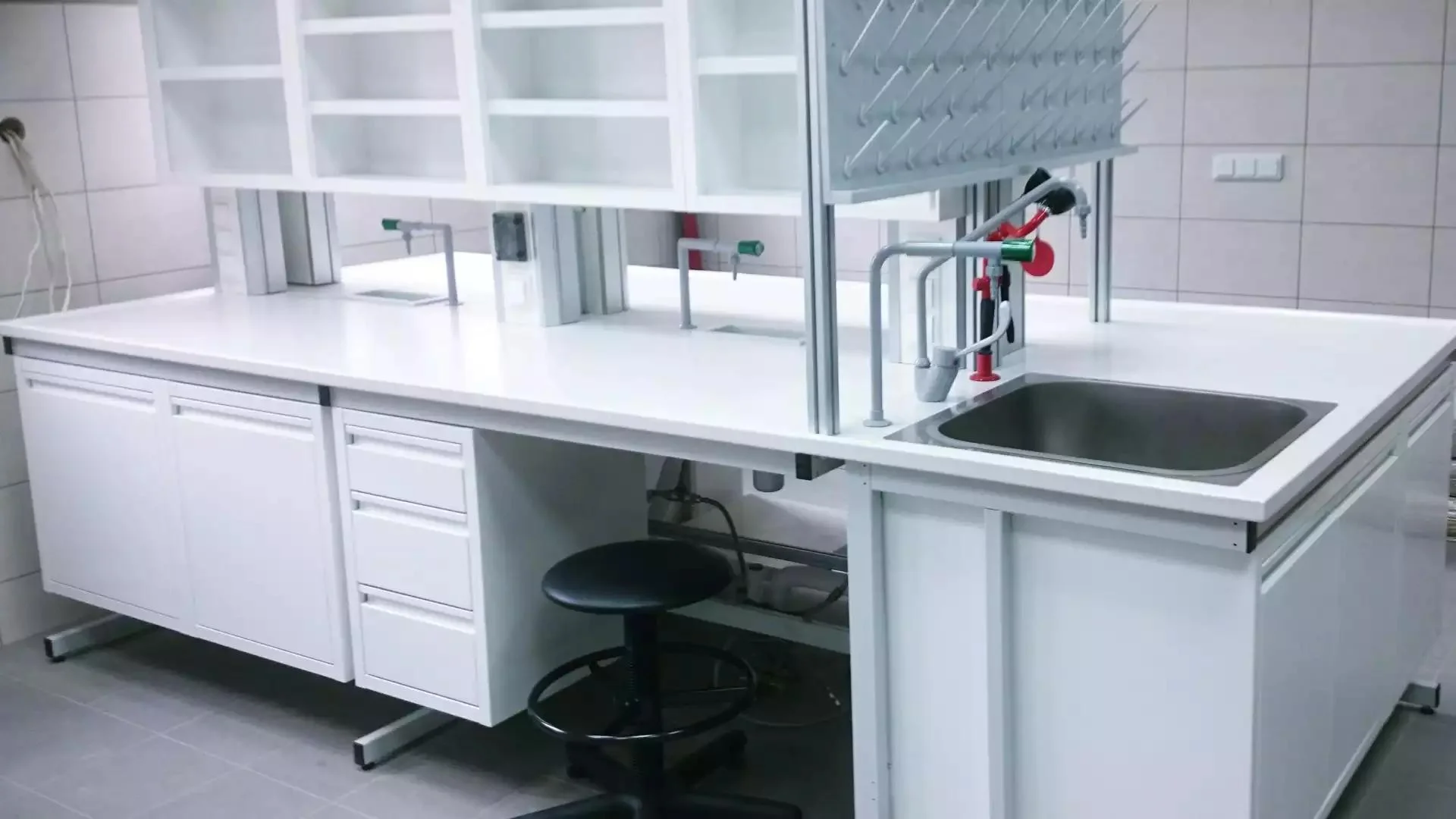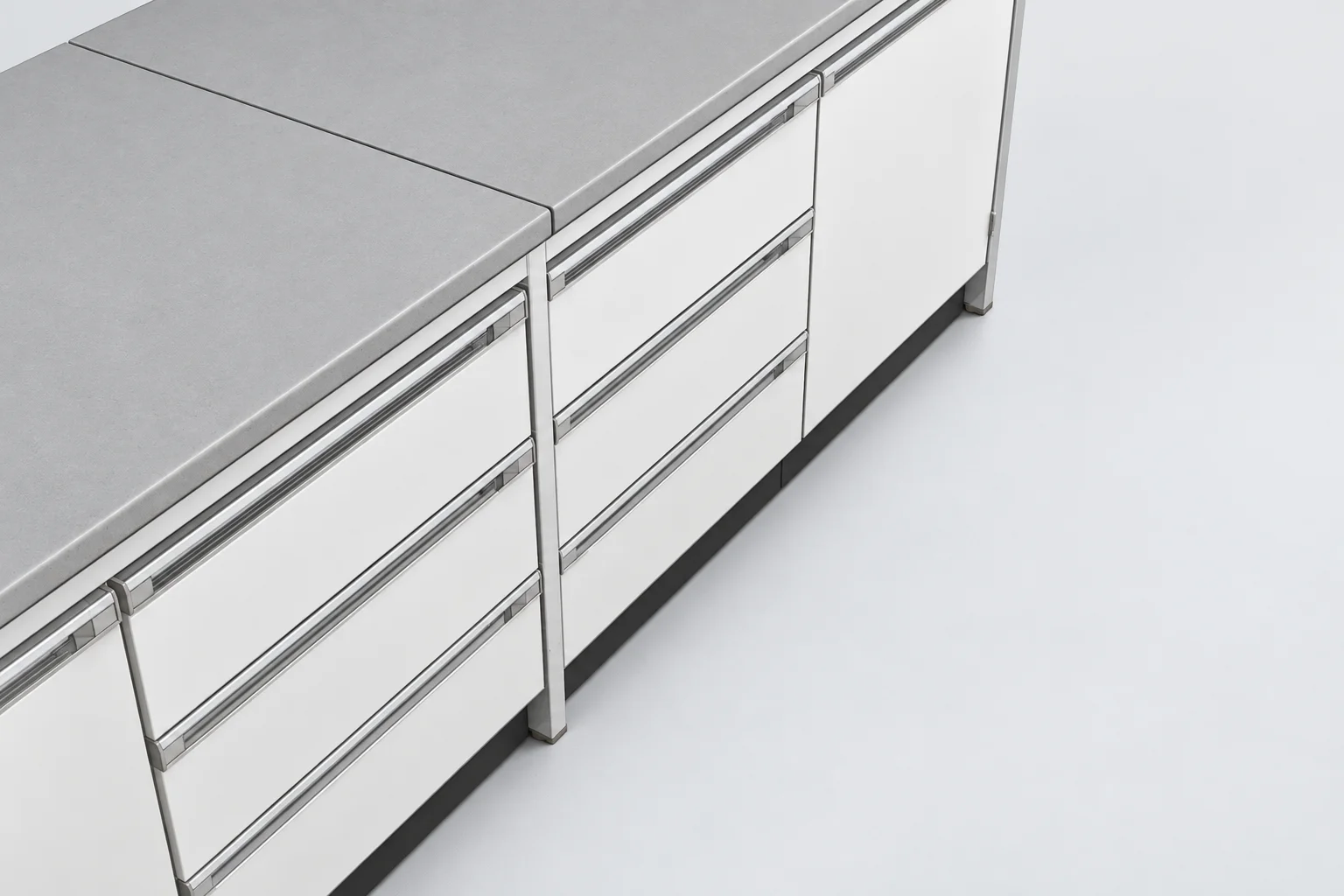
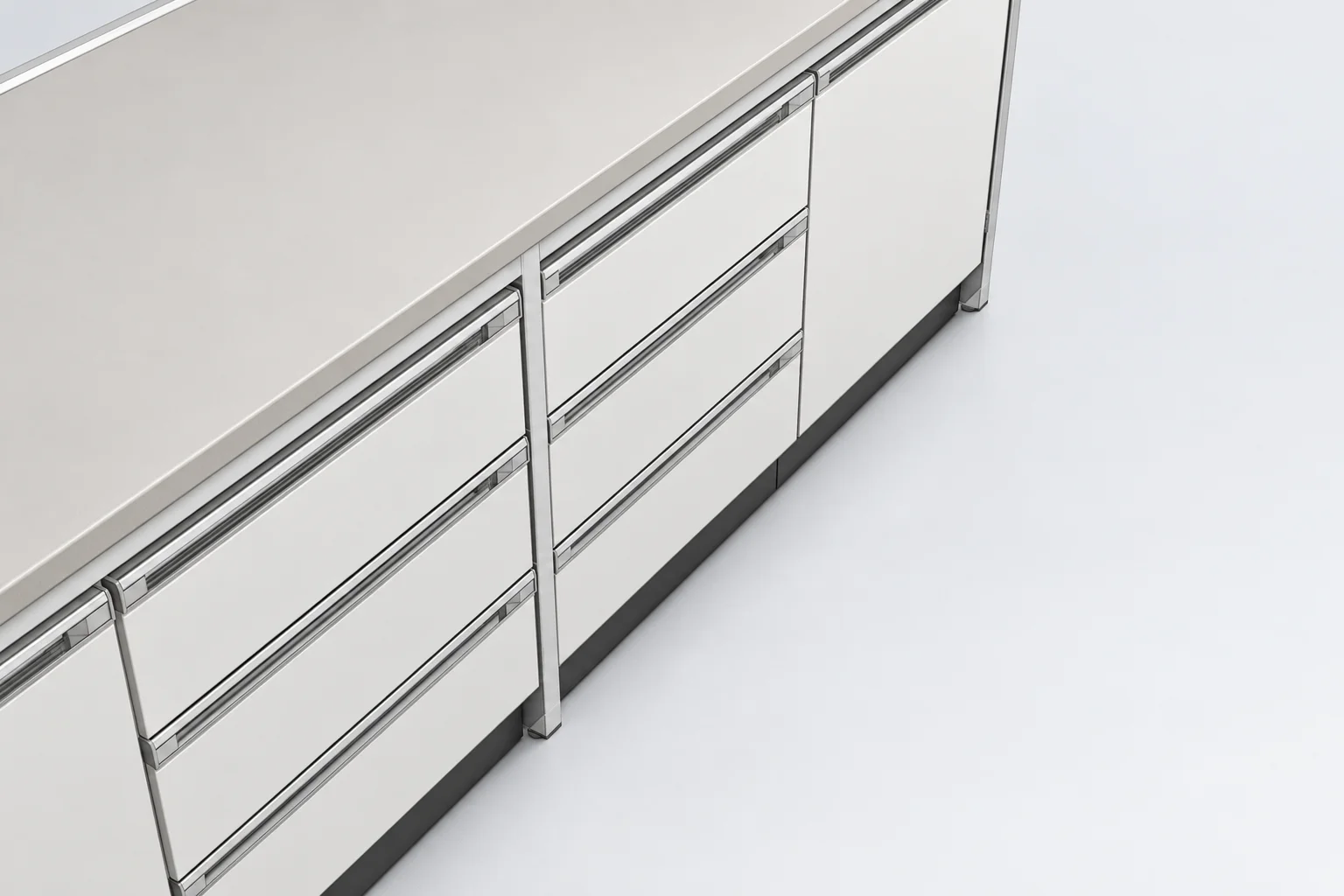
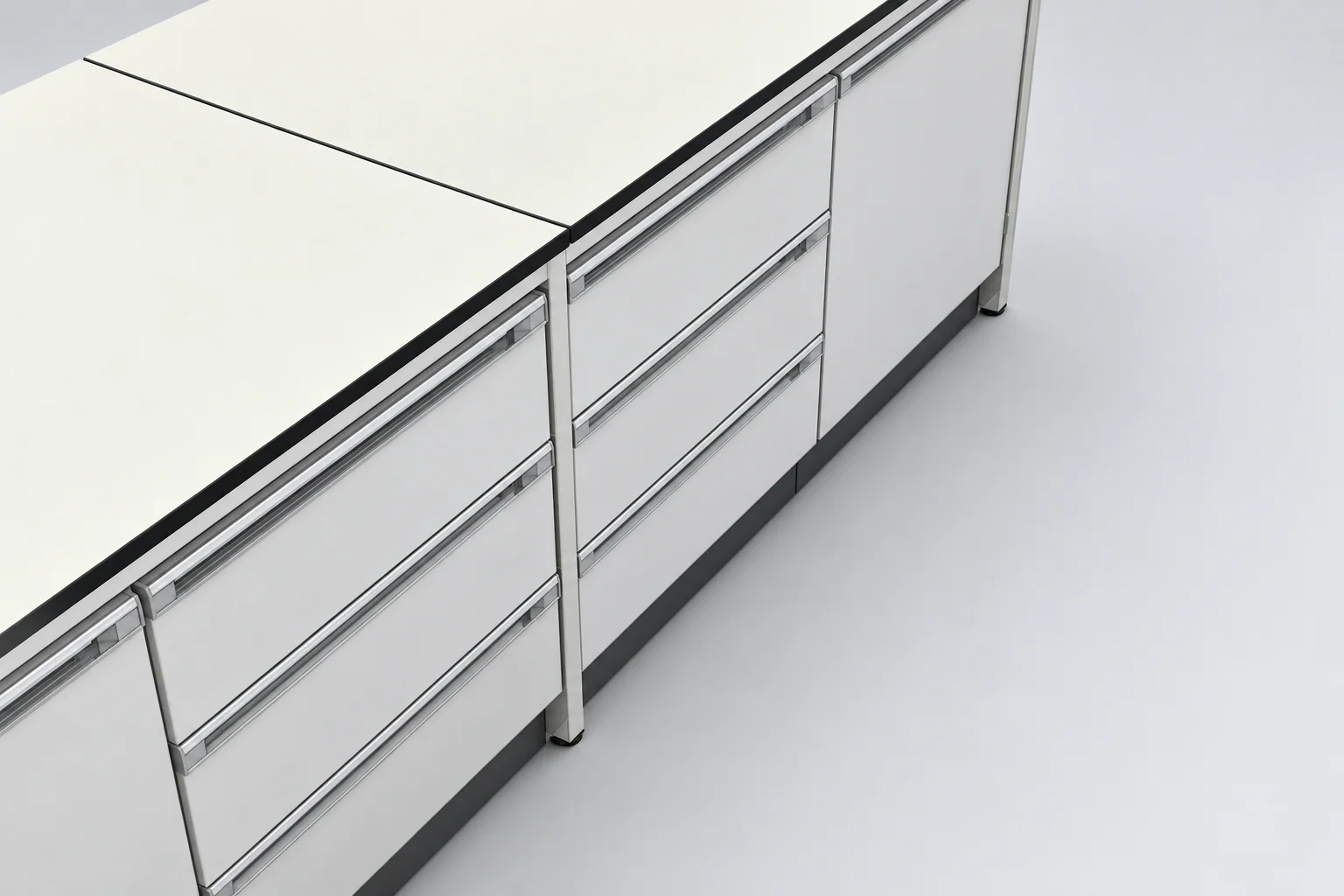
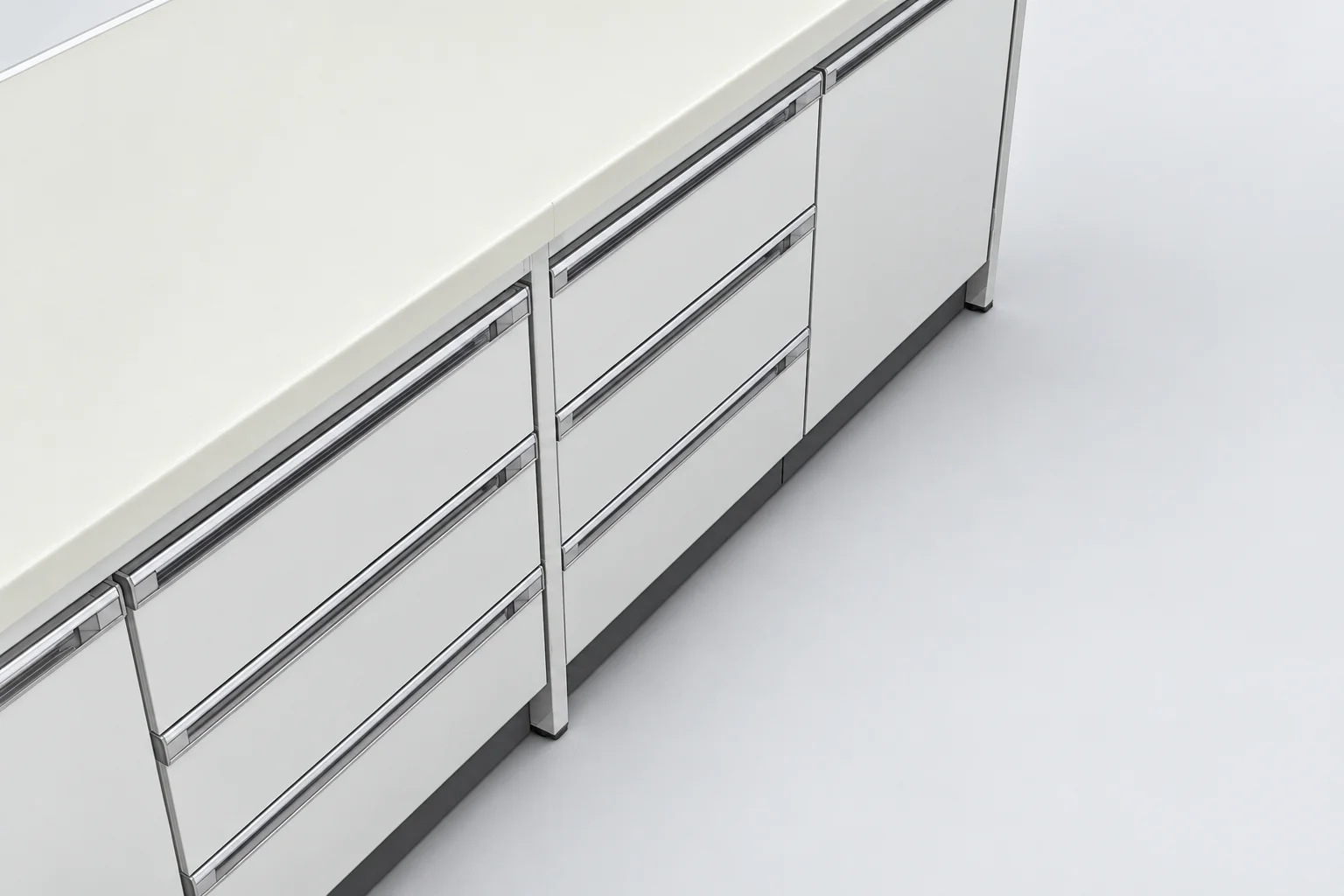
Glass laboratory countertop

The glass countertop is made of 6 mm thick safety glass with a chemically etched top layer. The edges are coated with a chemical-resistant phenolic resin. It is characterized by high impact resistance, excellent tolerance to temperature fluctuations, and very high resistance to acids and bases, except for HF. The glass countertop is ideal for chemical and biochemical laboratories. Modern design at a good price.

main image
additional image 1
additional image 2
additional image 3

Key features of the glass laboratory countertop:

  • Good chemical resistance to acids and bases

  • Comes with an integrated raised edge

  • Modern design

  • Used in chemical and analytical laboratories

Are you interested in this product?

In modern laboratories and medical facilities, laboratory worktops are synonymous with hygiene, aesthetics and safety. Thanks to its smooth, non-porous surface, a glass worktop does not absorb liquids or contaminants, allowing the highest standards of cleanliness to be maintained.
Glass worktops are used in chemical, biological and microbiological laboratories, as well as in diagnostic rooms, where precision and sterility are of key importance. The glass surface is resistant to most chemicals and easy to disinfect, which is essential in everyday work in medical facilities.
The glass laboratory worktops we offer are available in a variety of options, from classic transparent to matt and coloured. Each of them can be tailored to individual needs and the layout of laboratory furniture, ensuring maximum functionality and ergonomics of workstations.

Hardened glass worktop


A hardened glass worktop is a solution dedicated to laboratories and medical facilities where maximum resistance to mechanical and thermal damage is required. Hardening glass increases its strength, making it resistant to scratches, impacts and high temperatures. Phenolic resin worktops are also an interesting solution.
A tempered glass worktop is particularly useful for workstations using laboratory equipment, chemicals or heat-generating devices. The glass surface is also easy to clean and disinfect, which minimises the risk of infection and ensures complete hygiene in chemical and medical laboratories.

Laboratory glass worktops


Laboratory glass worktops are a functional solution that works well in various types of laboratories – chemical, biological, diagnostic and analytical. They are resistant to chemicals, do not absorb liquids and do not react with most reagents.
The use of glass in laboratories allows for safe analysis and experimentation, while maintaining a high aesthetic standard of the interior. Custom-made glass worktops allow for precise adjustment of the surface to the layout of laboratory furniture, fume cupboards and work tables, which increases comfort and ergonomics at work.
These worktops are also UV-resistant and easy to disinfect using standard chemicals, making them suitable for medical facilities and research laboratories. Epoxy resin worktops are also worth considering.

Glass worktop – price


The price of a glass worktop depends on several factors: the type of glass, dimensions, thickness and any additional elements, such as milled edges or technological openings. The price remains competitive compared to other materials used in laboratories, such as polypropylene worktops, and offers exceptional durability, hygiene and aesthetics.
Custom-made glass laboratory worktops are available for laboratories and medical facilities – a made-to-measure glass worktop can be adapted to the specific characteristics of workstations, laboratory equipment and safety requirements. A tempered glass worktop, combined with precise workmanship and professional installation, guarantees reliability and longevity, which is particularly important in heavily used laboratory spaces.
It is worth noting that a glass worktop is an investment in durability and safety at work. The price in the context of laboratories and medical facilities is justified by the unique properties of the material – chemical, mechanical and thermal resistance, as well as ease of maintaining sterility.