Skip to content

Laboratory sinks

Epoxy resin sink

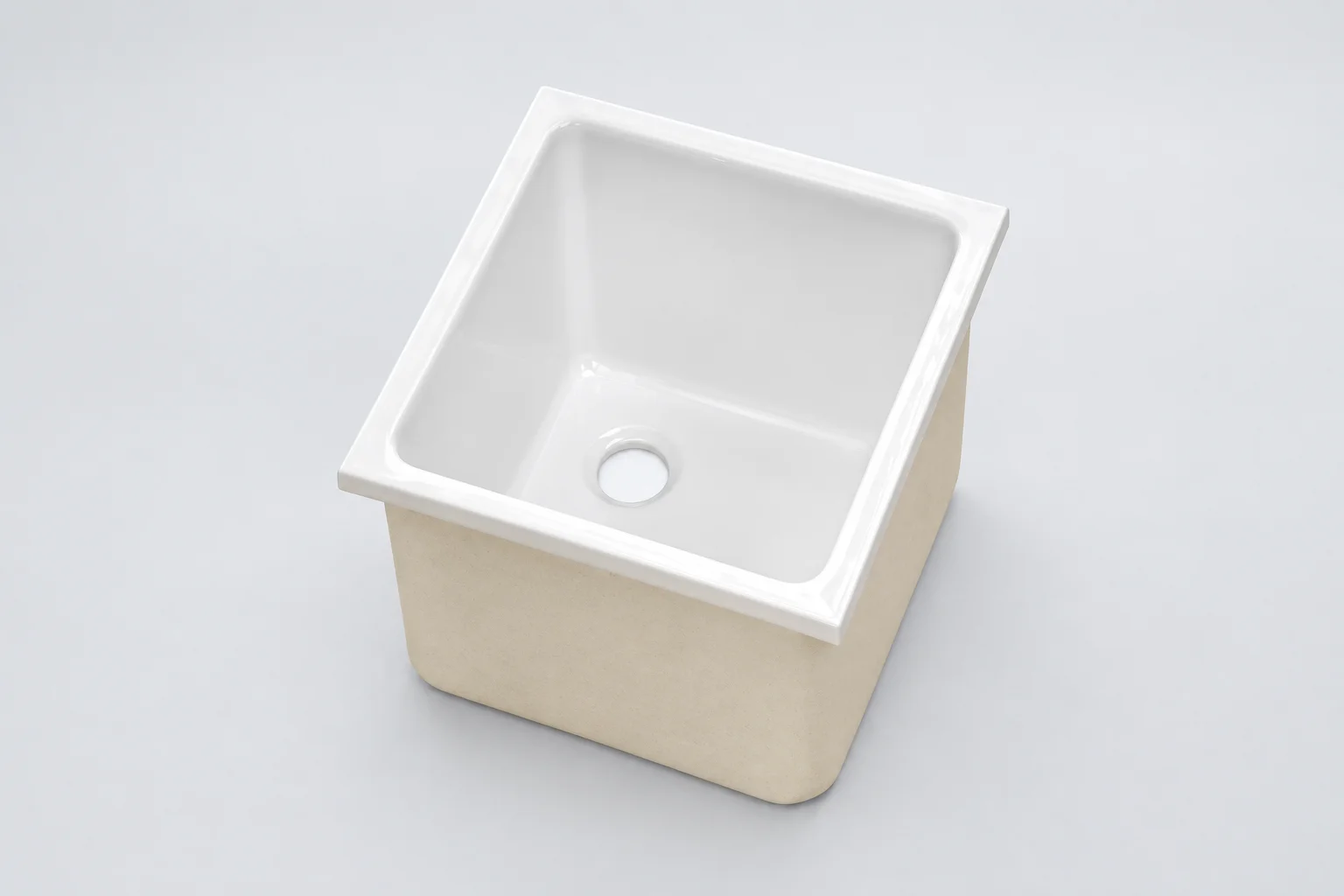
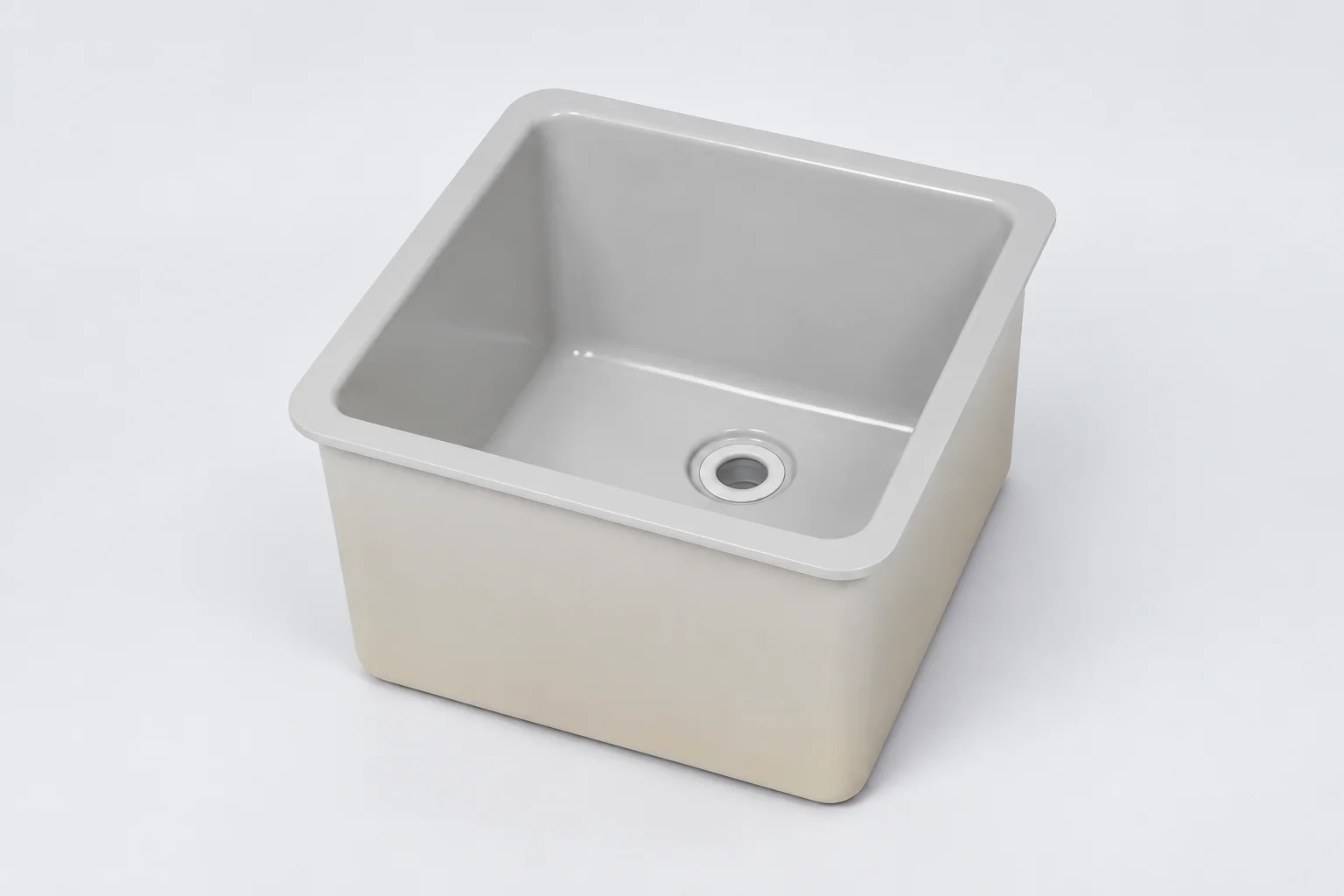
An epoxy resin sink is a single- or double-bowl laboratory sink that can be fitted from below or from above.

  • Good mechanical resistance

Interested in this product?

Add to enquiryAddedIn enquiry

Features

Key features of the epoxy resin sink

  • Chemical resistance

    Excellent chemical resistance to acids and bases.

  • One or two bowls

    Available in single or double-bowl options.

  • Two mounting types

    Installation: mounted from below or above.

On this page

An epoxy resin sink is a single- or double-bowl laboratory sink that can be fitted from below or from above. Epoxy resin is a monolithic material with a cohesive structure. It is characterized by a perfectly smooth surface, making it easy to clean. Epoxy sinks have high resistance to dyes and solvents, as well as high thermal resistance, but average resistance to acids and bases. Epoxy resin sinks are self-supporting and can come with raised edges or without. They can be successfully used in chemical, biological, and physical laboratories.

An epoxy resin sink is a specialised solution designed for use in demanding laboratory conditions. Epoxy resin is characterised by exceptional chemical, thermal and mechanical resistance, making it ideal for use with aggressive reagents, acids, alkalis and solvents. The surface of the sink is smooth, non-porous and easy to keep clean, which is crucial for maintaining high standards of hygiene. Compared to other solutions, such as polypropylene sinks, epoxy resin sinks are distinguished by their excellent durability and resistance to discolouration and damage resulting from intensive use. This material does not corrode and does not react with most chemicals, making it a safe and reliable piece of equipment for modern laboratories.

Epoxy resin laboratory sinks

Epoxy resin laboratory sinks are commonly used in chemical, biological, pharmaceutical, medical and industrial laboratories. Their design has been developed to meet stringent safety and ergonomic standards. Epoxy resin sinks are resistant to high temperatures, impacts and intensive use, ensuring a long service life even in the most demanding conditions. Compared to other solutions, such as stainless steel sinks, epoxy resin laboratory sinks offer better resistance to aggressive chemicals. At the same time, compared to polypropylene sinks, they provide greater rigidity and structural stability. The availability of various sizes and configurations allows the sink to be easily adapted to the layout of workstations and the type of laboratory work carried out.

Epoxy resin laboratory sinks

Epoxy resin laboratory sinks are an integral part of comprehensive research and teaching laboratory equipment. Their use increases work safety, minimises the risk of damage and facilitates cleanliness in the workplace. Epoxy resin laboratory sinks can be installed both in worktops and as stand-alone modules, which gives great flexibility in terms of arrangement. Thanks to their high resistance to chemical and mechanical factors, epoxy resin sinks perfectly complement other equipment, such as laboratory worktops and plumbing installations. Choosing this type of solution is an investment in durability, safety and professional laboratory standards. Epoxy resin laboratory sinks are the optimal choice for users looking for reliable and long-term solutions for modern laboratory spaces.

FAQ

Frequently asked questions

Epoxy resin sink is a monolithic, self-supporting sink with a smooth surface, resistant to dyes, solvents and high temperatures.

Parent category: Laboratory sinks.

Key features:

  • Good mechanical resistance
  • Excellent chemical resistance to acids and bases
  • Available in single or double-bowl options
  • Installation: mounted from below or above
Projects

Laboratory sinks in our projects

From the blog

We write about it

  • 6 min read
    Worktops, sinks and materials

    Laboratory sink: how to choose the size and design the chamber depth?

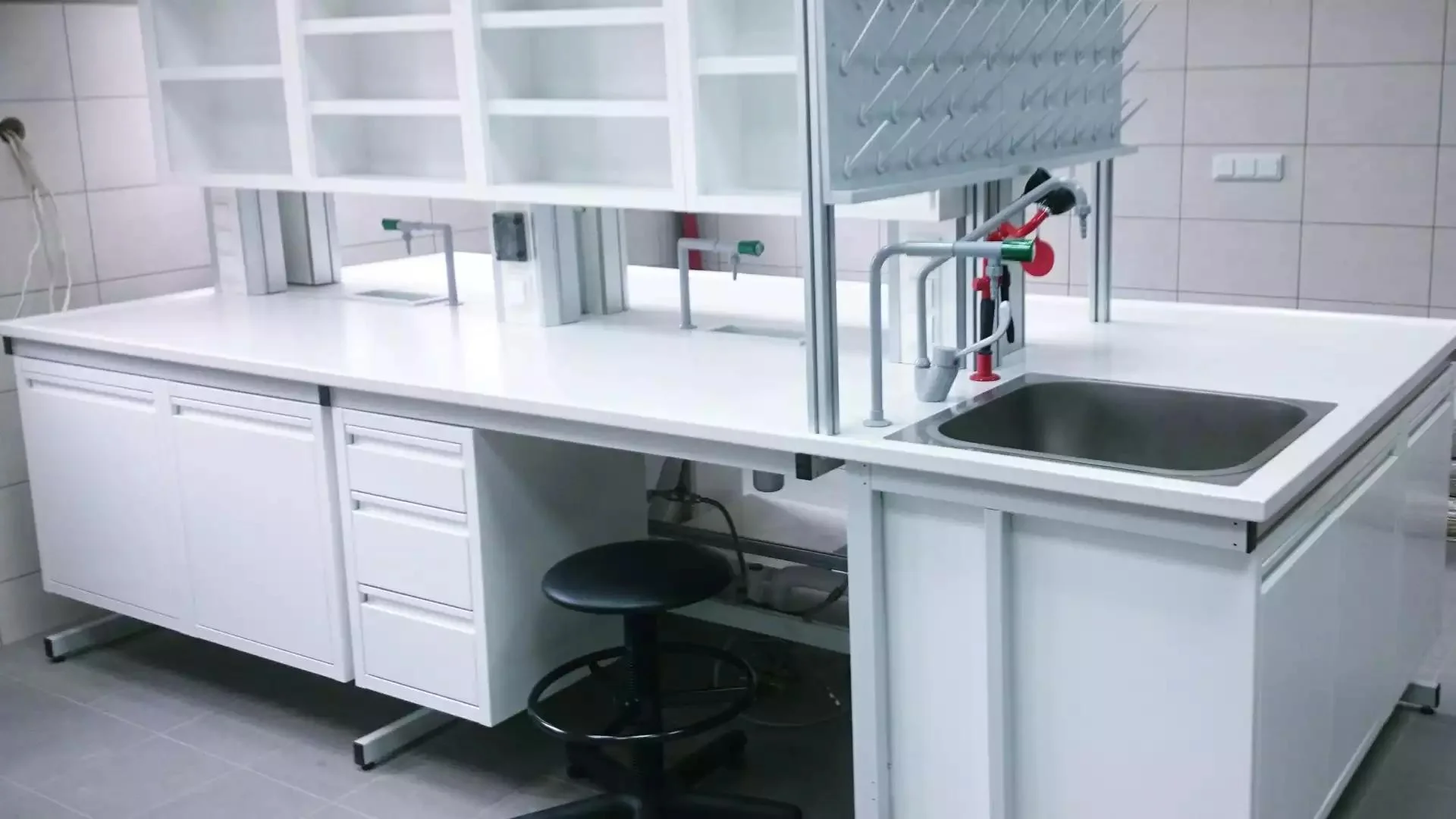
    The dimensions of the chamber are matched to the size of the washed glass and the width of the base cabinet. Proper determination of these dimensions allows for maintaining full ergonomics and optimal workflow in the wet zone. A wide selection of available solutions, from small sinks to large, multi-liter sink chambers facilitates the precise configuration of any workstation. The selection is usually made individually through a request for quotation, as professional laboratory sinks are made directly to measure.
  • 5 min read
    Worktops, sinks and materials

    Ceramic, steel or resin laboratory sink - which material to choose?

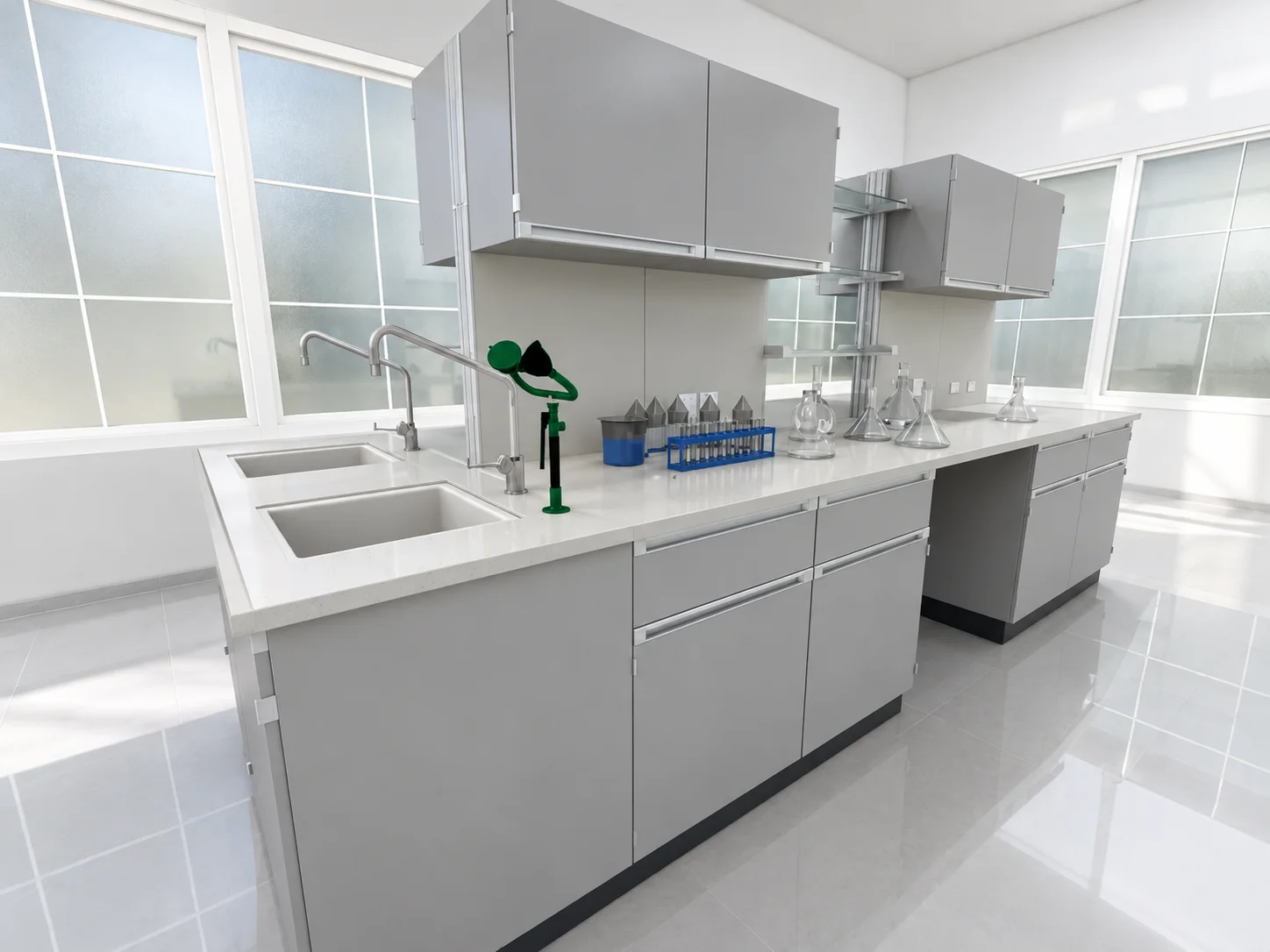
    The choice of the right laboratory sink is not accidental - it depends primarily on the type of work and the aggressiveness of the substances used. In practice, materials such as ceramics and resins are considered to work best in chemical laboratories, while stainless steel is more commonly used in medical and diagnostic environments. Each solution has its own strengths and weaknesses, so it is worth comparing their properties in terms of resistance, durability and daily use before making a decision.

Newsletter

Stay up to date with Renggli

New projects, products and guides on laboratory furniture, in one place.

By subscribing you agree to receive messages from Renggli and accept the privacy policy. You can opt out at any time.

Let us plan your laboratory

Tell us what has to happen in the room. We will pick the furniture and work out the rest.

Add to enquiryAddedIn enquiry

See the projects

Quote within 1-5 days, furniture design free with your order.