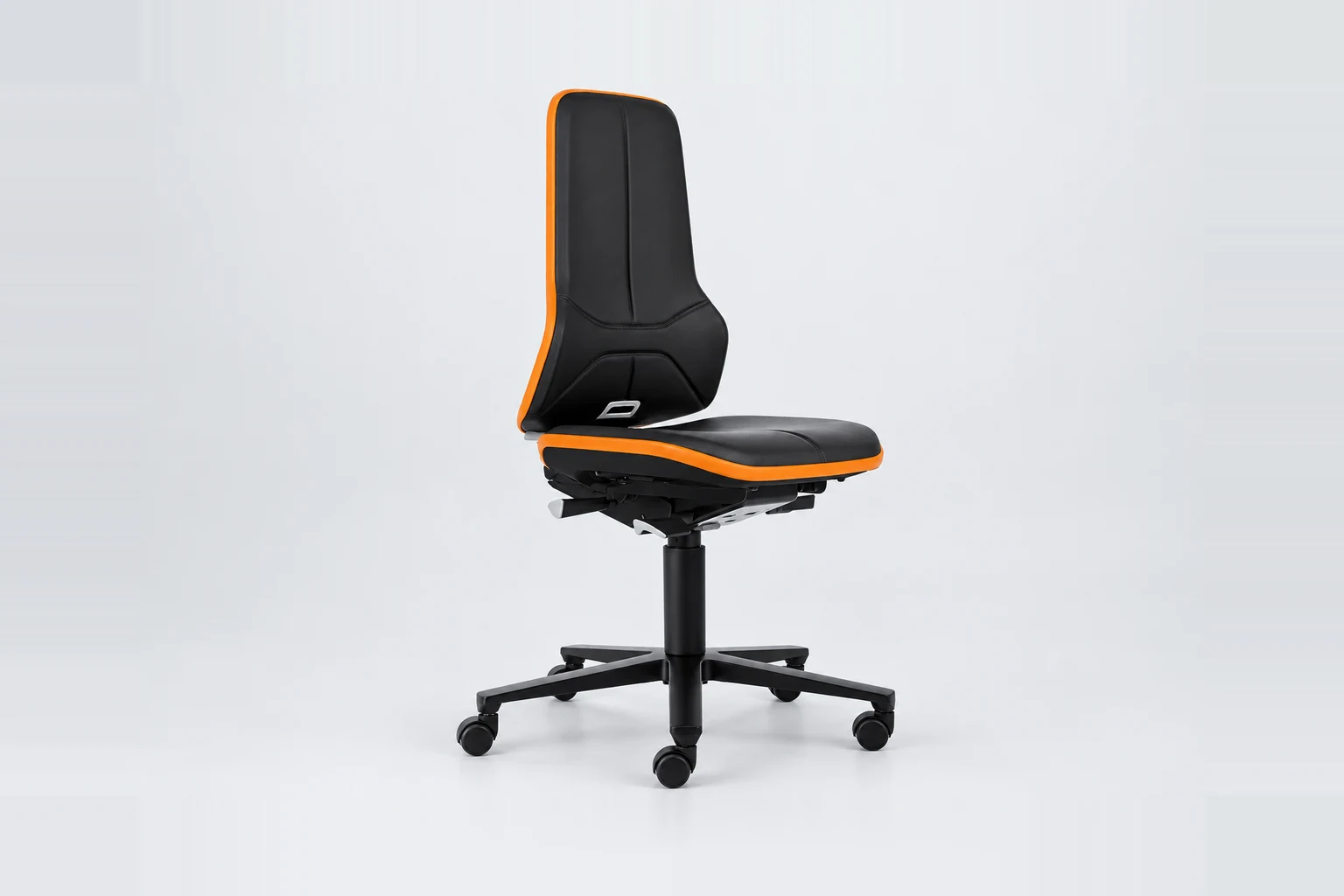
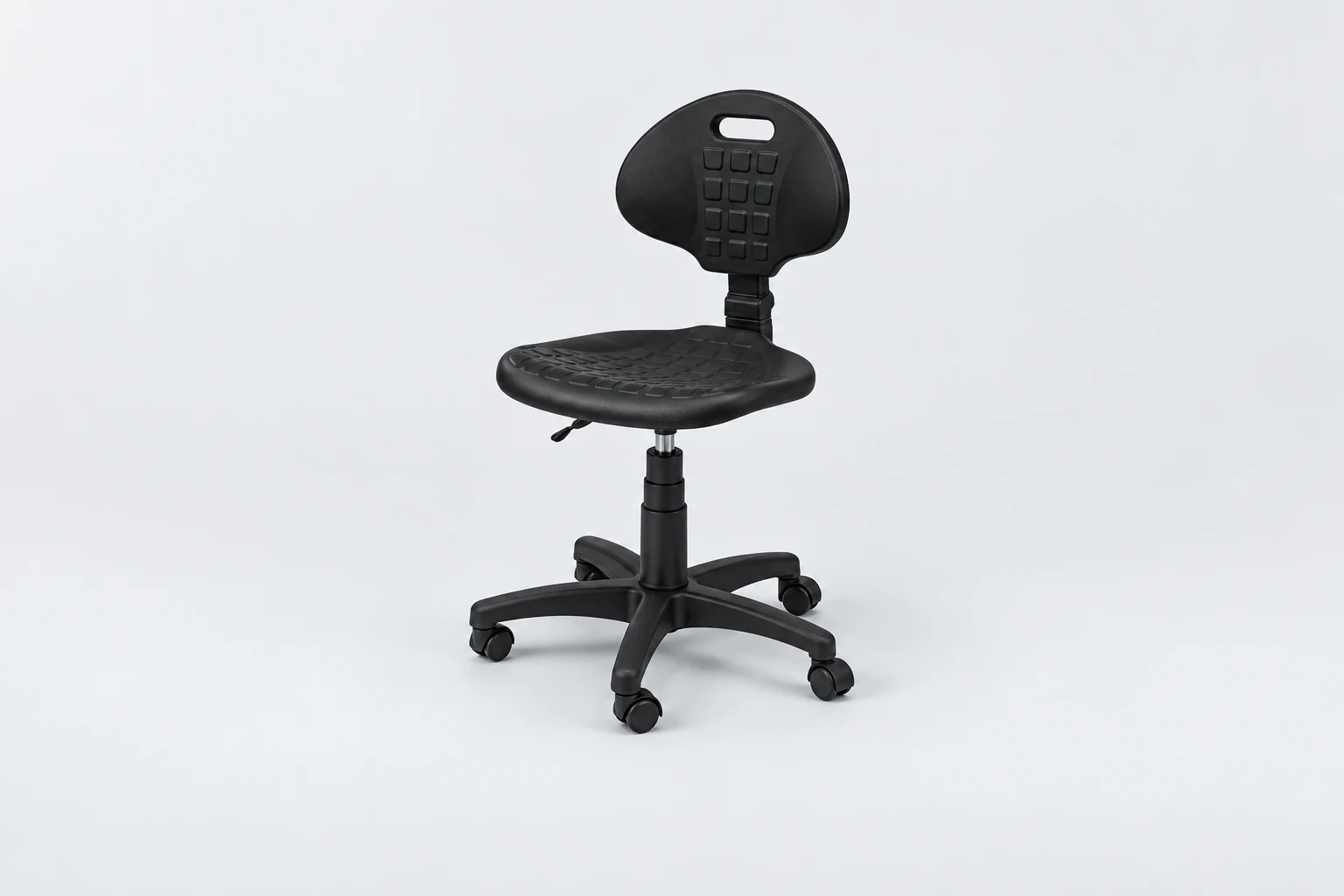
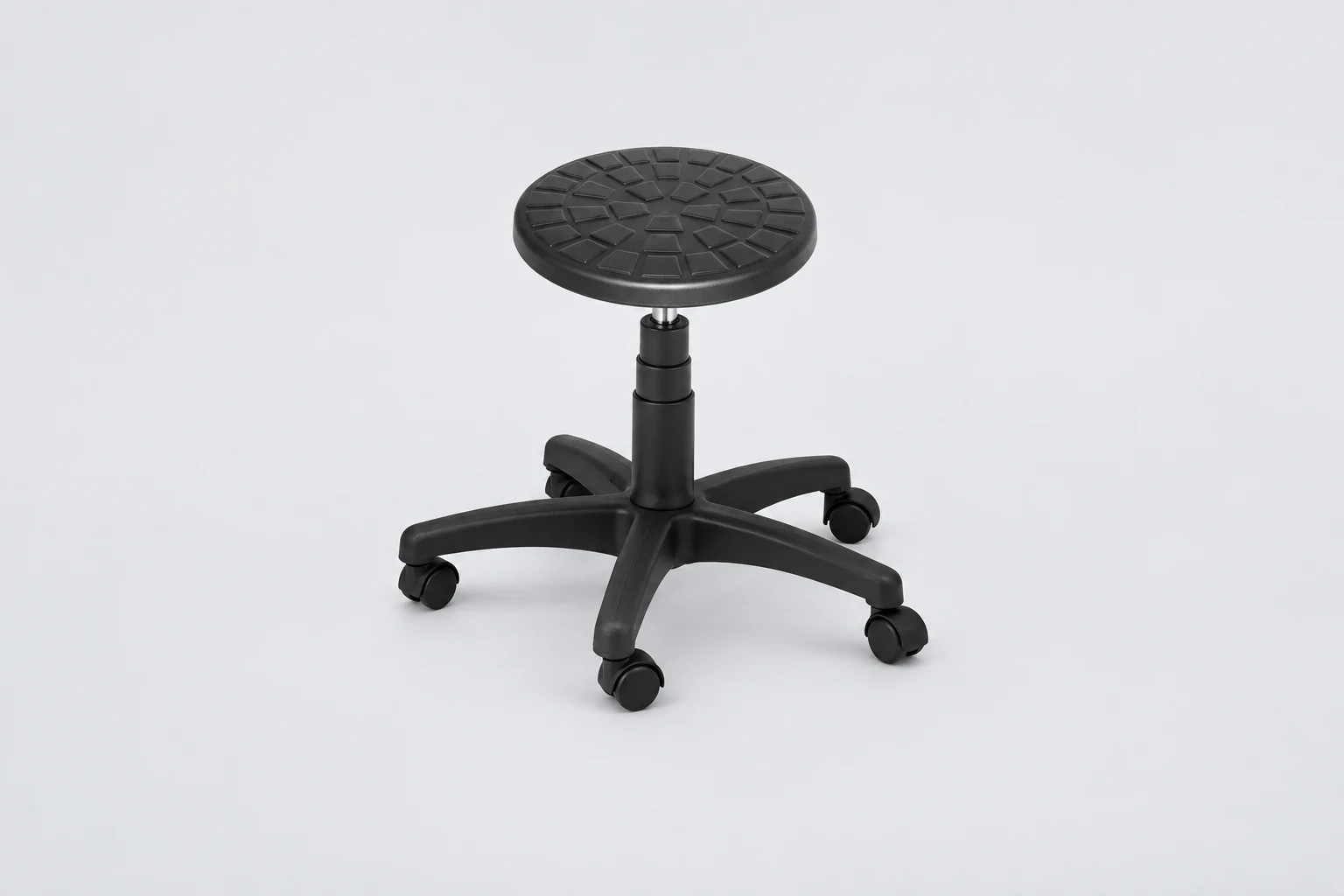
Modern and ergonomic laboratory seats are an integral part of every laboratory – whether scientific, industrial, medical or research. A properly selected seat affects comfort and safety at work, as well as the efficiency of the tasks performed. In an environment where precision and long hours spent at the workstation are important, the right seat is crucial.
Seats designed for laboratories have a special construction, adapted to the specific nature of work in conditions requiring hygiene, chemical resistance and ease of cleaning. Unlike standard office chairs, laboratory chairs are made of materials resistant to disinfectants, solvents and other chemicals.
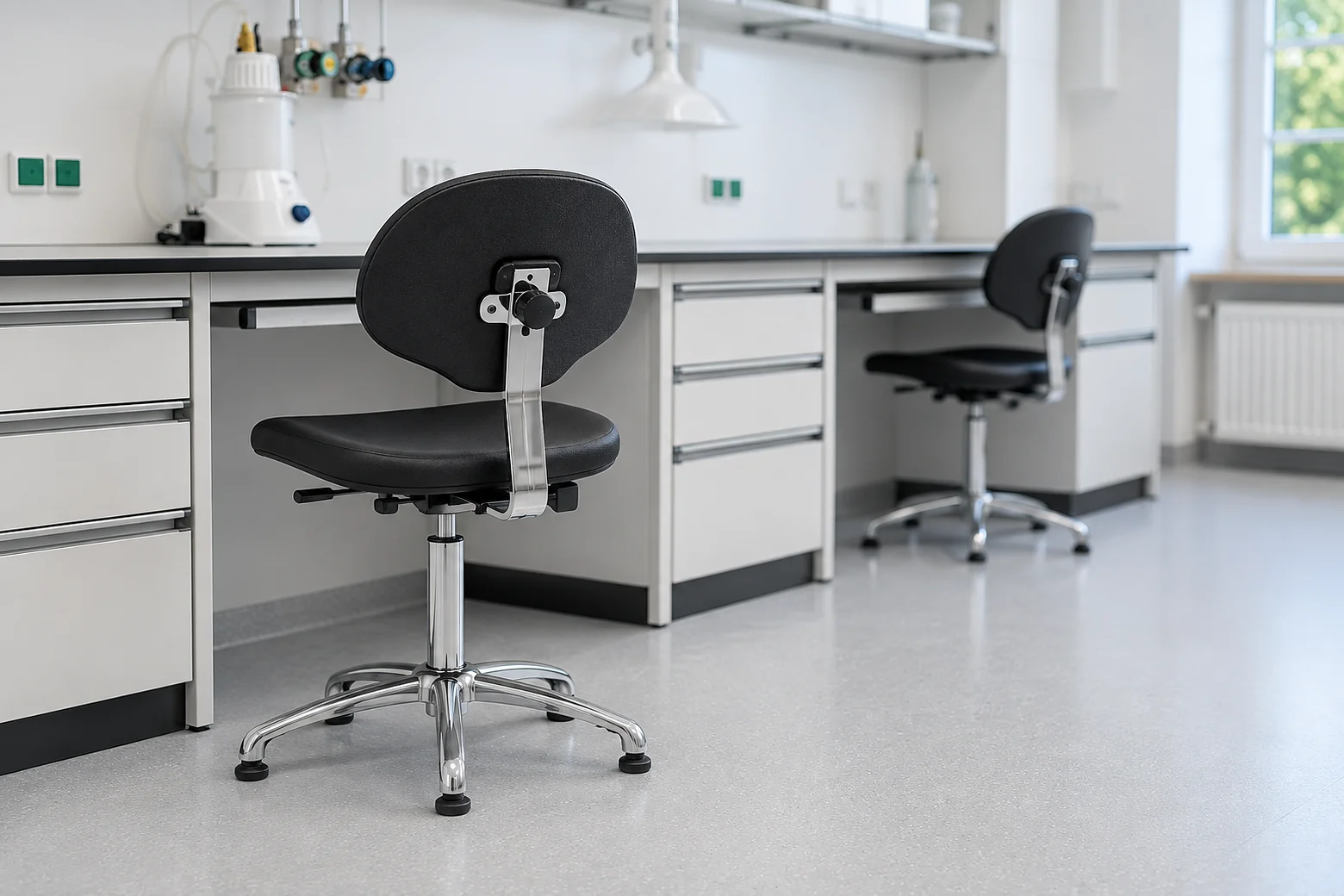
A typical seat has a polyurethane, vinyl or non-slip plastic seat and backrest, which are durable, scratch-resistant and easy to disinfect. Their design allows for easy cleaning and minimises the risk of dirt accumulation, which is particularly important in laboratories where hygiene and cleanliness are an absolute priority.
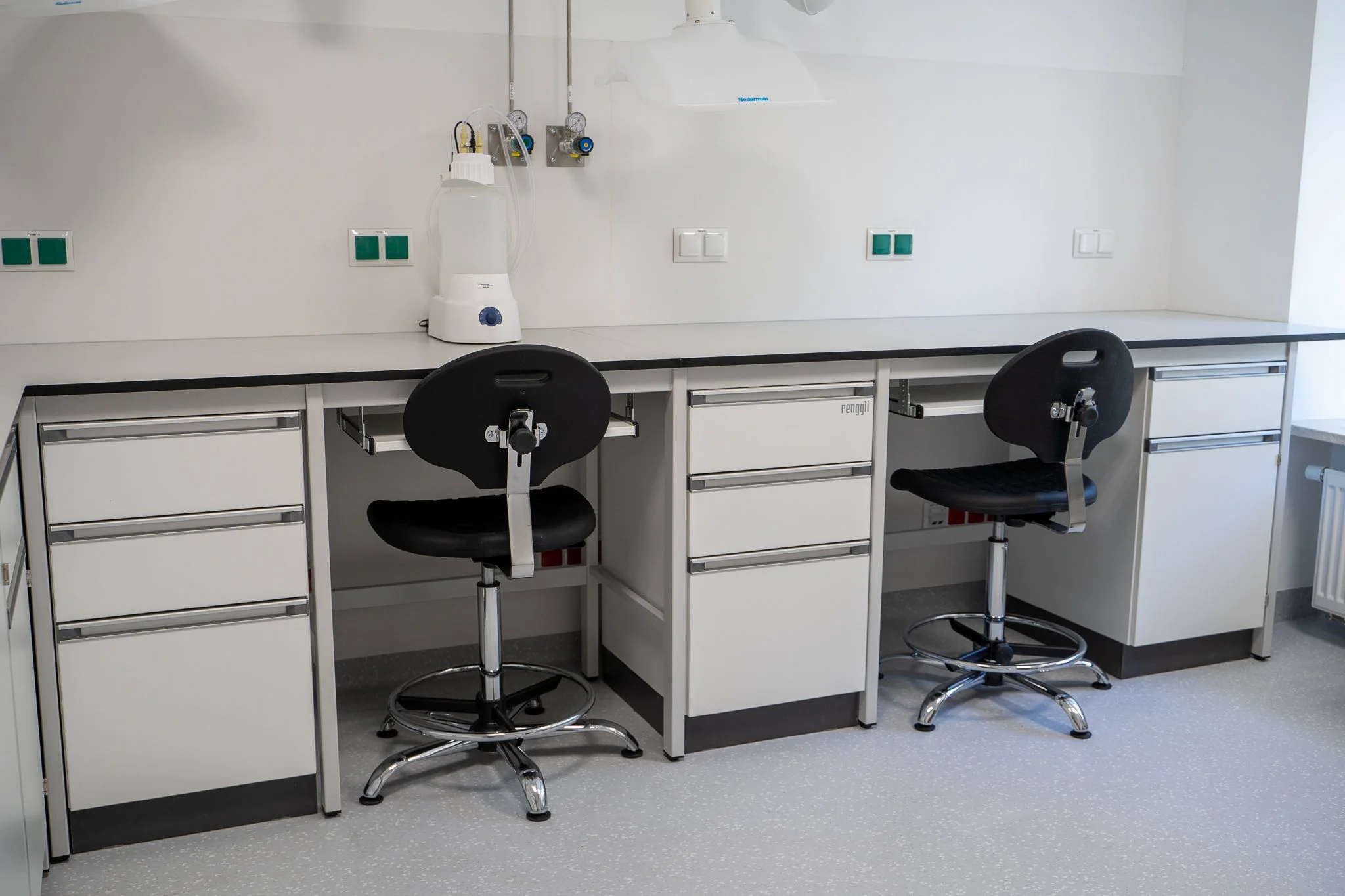
Modern chairs often have adjustable height, backrest angle and footrests, allowing them to be individually adjusted to the user's body shape. This makes working at worktops, workbenches or microscopes more comfortable and minimises the risk of spinal strain.
Laboratory seating
Choosing the right laboratory seating is extremely important for workplace ergonomics. In laboratories, where employees spend long hours sitting or semi-sitting, it is essential to provide adequate support for the back, shoulders and legs. Therefore, chairs should allow for smooth height adjustment so that they can be adapted to the height of the table or worktop.
Laboratory seating can be divided into several types, depending on the type of work performed:
• swivel seats – ideal for workstations requiring frequent changes of position,
• laboratory stools without backrests – provide greater mobility and ease of movement,
• seats with backrests and armrests – recommended for tasks requiring precision and prolonged concentration,
• stools and stools with footrests – used in chemical, biological and industrial laboratories,
• antistatic (ESD) seats – designed for electronic and measurement laboratories, protecting against electrostatic discharge.
When choosing a laboratory chair, it is worth paying attention to the materials from which it is made. High-quality chairs have surfaces that are resistant to cleaning agents, moisture, dust and dirt. The structure should be stable, and the base should be non-slip and equipped with castors or feet adapted to the type of floor.
Specialist chairs must also meet ergonomic and occupational safety requirements. Their task is to relieve the spine, reduce muscle tension and ensure user comfort even during long hours of research or experiments. A high-quality seat allows the user to maintain correct posture, which has a direct impact on the employee's performance and well-being.
Manufacturers also offer special laboratory seats with increased resistance to biological and chemical factors, which are used in microbiological, pharmaceutical and industrial laboratories. In such conditions, it is not only comfort that counts, but also the possibility of easy disinfection and maintenance of sterility.
Laboratory seats – prices
The cost of purchasing laboratory chairs depends on the type, materials used, functionality and class of workmanship. The simplest models of laboratory stools without backrests cost several hundred zlotys, while more advanced seats with adjustment, footrests and ergonomic backrests can cost from several hundred to several thousand zlotys.
The price of a laboratory seat is influenced by, among other things:
• the type of material (polyurethane, vinyl, synthetic leather, steel, aluminium),
• the possibility of adjusting the height and angle of the backrest,
• the presence of armrests, footrests and swivel mechanisms,
• resistance to chemical and biological factors,
• quality certificates and compliance with health and safety standards.
It is worth remembering that purchasing a high-quality laboratory seat is an investment in the health and comfort of your employees. Cheaper models can wear out quickly, cause discomfort or make it difficult to maintain proper posture while working. On the other hand, sturdy chairs made of durable materials ensure many years of reliability and safety of use.