Skip to content

Laboratory seats

Specialist chairs

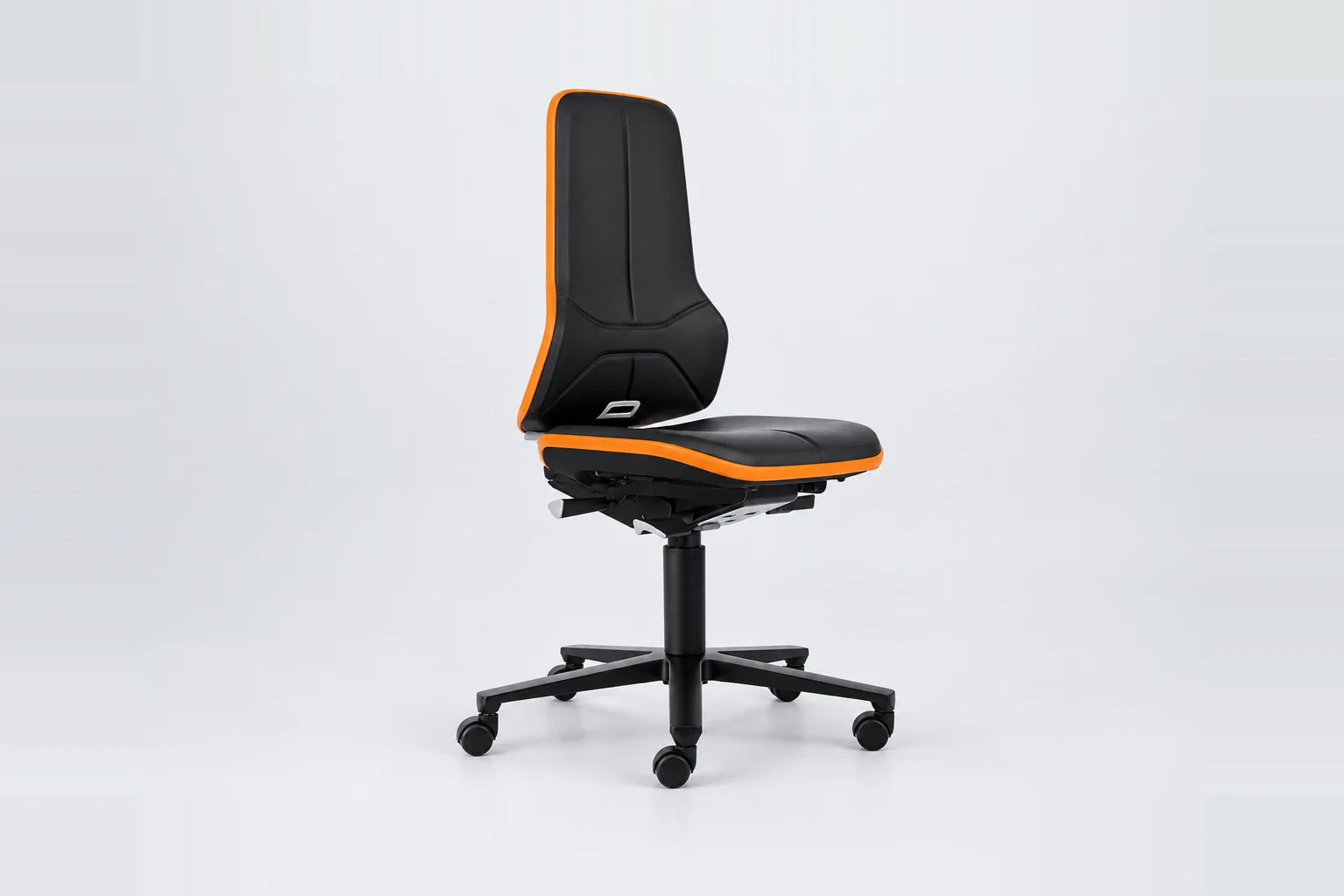
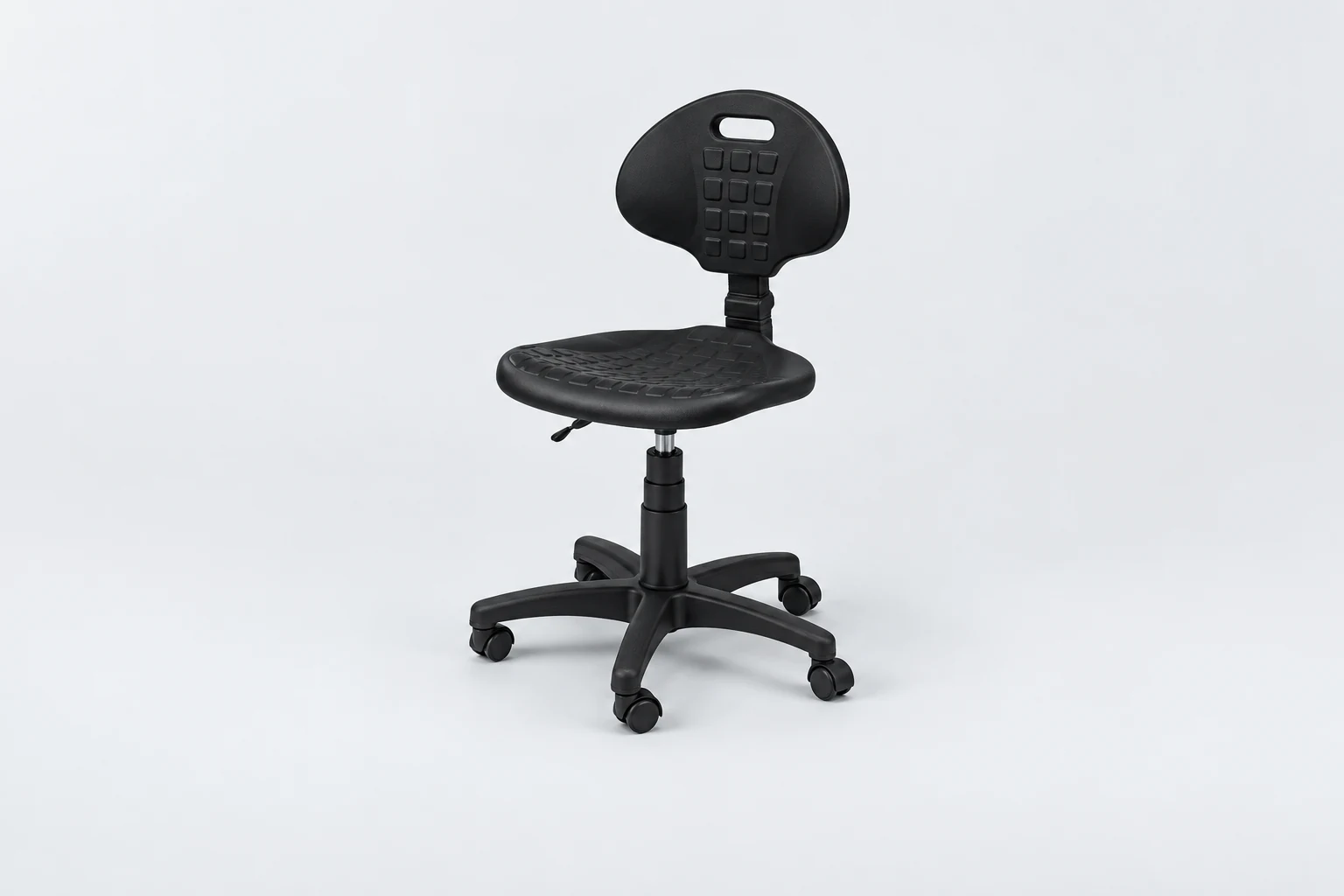
Specialist chairs are seats for ESD areas and cleanrooms. The upholstery, frame, castors and glides dissipate electrostatic charge, and the construction keeps particle emission low. The range includes Bimos ESD Neon chairs, each configured for a specific workstation.

Interested in this product?

Add to enquiryAddedIn enquiry

Specialist chairs
Overview

ESD Zone

One of the biggest dangers at electronic workstations is electrostatic discharge. This can lead to significant damage during production. Therefore, it is essential to constantly prevent the charging of objects or people at the ESD workstation and ensure the conduction of displaced charge. Bimos ESD chairs provide reliable protection in the ESD workplace: upholstery, steel elements, plastic, wheels, and sliders are conductive. Thanks to the comprehensive guidance of all components, Bimos ESD chairs are a reliable solution in any ESD space.

Projects

Laboratory seats in our projects

About the category

Contents

How an ESD chair dissipates charge

An ESD chair carries charge from the operator's body to earth. The path runs through the cover, frame, column and castors or glides, and it must not be broken anywhere. In Bimos ESD Neon chairs the upholstery, steel parts, plastic parts, castors and glides are all conductive, so no single component interrupts that path. In polyurethane seats, conductivity comes from graphite embedded in the material.

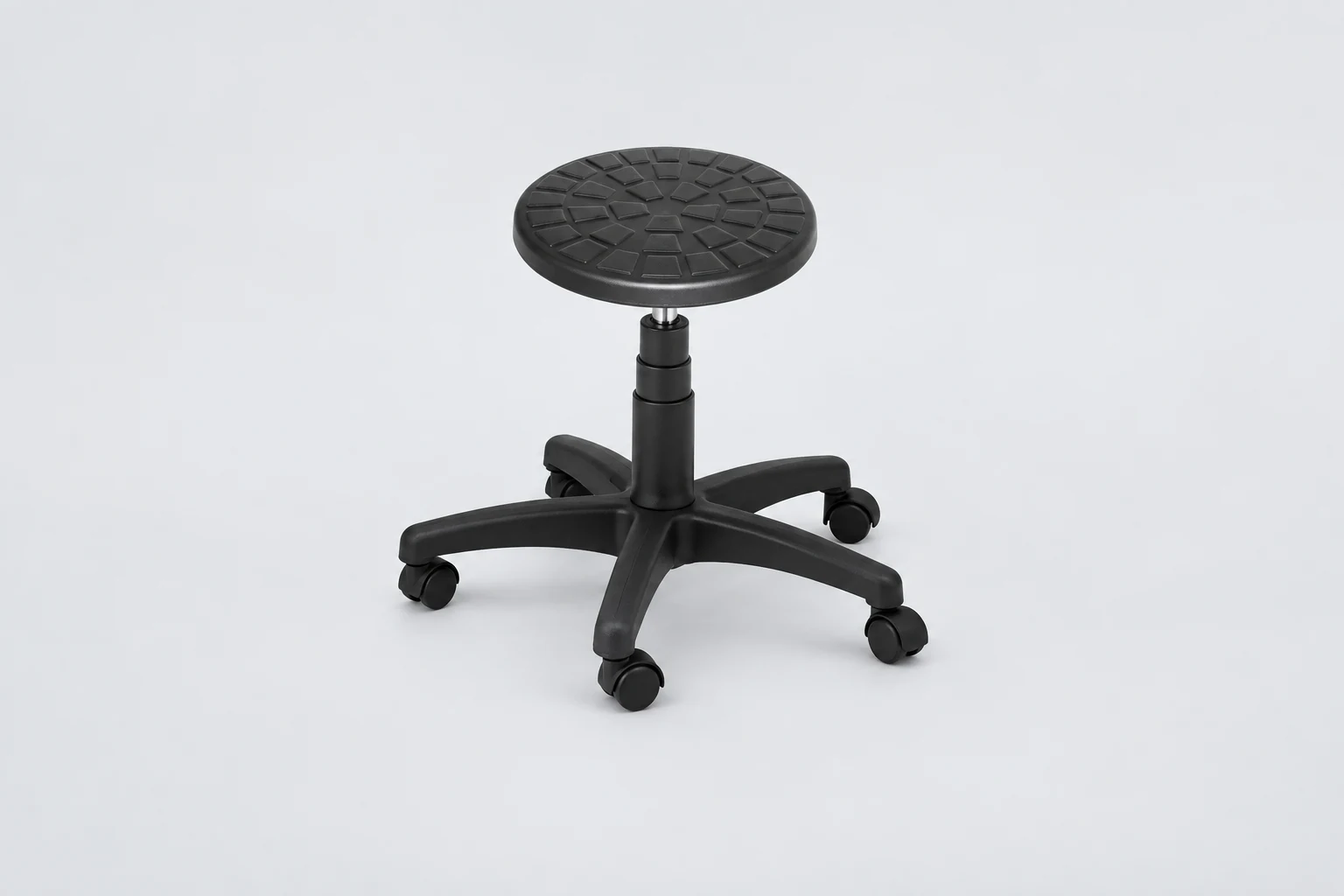
ESD protection is required at workstations that handle electronics, where a discharge destroys components during production. It is also needed wherever flammable substances are present, because a discharge there can cause ignition. At acceptance, the chair must come with a test report that gives the surface resistance measured on that specific unit and names the reference standard. The same requirements apply to seating without a backrest: laboratory stools are also available in ESD versions.

Cleanroom chairs and ISO 14644-1 cleanliness classes

A cleanroom chair is chosen to suit the cleanliness class of the area, because manufacturers declare a model's compliance with a specific class rather than with ISO 14644-1 as a whole. The standard defines classes from ISO 1 to ISO 9. Laboratories and production facilities most often work to ISO 5 to ISO 8, and the lower the number, the fewer particles are permitted in the air. Most of those particles come from the people and equipment in the room.

A seat for a clean area has a hermetically sealed gas lift cover and a closed construction with no exposed upholstery parts. Its metal parts have a smooth, non-porous surface. An integral skin polyurethane cover does not absorb water or grease and withstands disinfection and UV radiation. In GMP areas, typical of pharmaceutical laboratories, the choice of chair forms part of room qualification, so the seat's parameters must be documented. We describe the whole selection process in our guide on how to choose a cleanroom chair. At workstations with no cleanliness or ESD requirements, standard laboratory chairs are sufficient.

What determines the price of a specialist chair

The price of a specialist chair depends on what the chair has to protect the workstation against and how long the operator sits on it. The cost is driven by:

  • version: ESD protection, cleanroom requirements, or both,
  • cover: integral skin polyurethane moulded together with the seat core, or conductive upholstery (materials are compared in our article on how to choose chair upholstery),
  • seat type: low chair, high chair with a ring footrest, or stool,
  • adjustments: height, backrest angle, seat depth, synchronous mechanism, armrests,
  • documentation: declared cleanliness class and a resistance test report for the individual unit.

Seat height depends on the worktop the chair is used at, so the adjustment range is set together with the laboratory furniture at the workstation. We show how to match the adjustments to the worktop and the user in our article on choosing an ergonomic laboratory chair. Specialist chairs belong to our range of laboratory seating.

FAQ

Questions about specialist chairs

An antistatic chair only limits the build-up of charge on its own surface, whereas an ESD chair carries the charge away to earth. A dissipative element does this at a controlled rate. Workstations with electronics or flammable substances need a complete dissipation path: a conductive cover, frame, and castors or glides that connect the chair to earth.

No. The castors and glides are the final section of the path along which charge flows from the chair to earth. A standard castor is not conductive, so it breaks that path and cancels the protection of the whole chair, even though the cover and frame are still conductive. Replacement parts for an ESD chair must have the same conductive properties as the original components.

A cleanroom stool meets the same material requirements as a chair. It has no backrest, so it gives the operator more freedom of movement and makes it easier to get up frequently to reach the equipment. For microscopy or analytical work lasting several hours, a chair with a backrest is the better choice, because a stool does not relieve the lumbar spine. We describe the selection criteria in our article on when a stool is the better choice.

From the blog

We write about it

  • 6 min read
    Chairs and ergonomics

    Laboratory chair - how to choose an ergonomic model for work in the laboratory?

    A laboratory chair is a specialized laboratory seat designed to work in conditions that require prolonged sitting, high ergonomics and resistance to intensive use and contact with chemicals. Unlike standard furniture, it is an element of laboratory furniture that must meet strict health and safety standards and have appropriate certificates, including often the PZH certificate, guaranteeing safety of use in the research environment. In practice, laboratory chairs are designed to support proper posture and minimize the strain on the spine when working at a laboratory workstation.

  • 10 min read
    Chairs and ergonomics

    Laboratory stool - when does it work better than a chair?

    Choosing between a laboratory stool and a laboratory chair depends on the specifics of the workstation and the duration of the procedures performed. A stool without a backrest optimizes short-term, rotational tasks up to three hours, while a chair protects the spine during many hours of work. As the furniture manufacturer Renggli, we design both types of seating with the highest hygienic and ergonomic requirements in mind.

Newsletter

Stay up to date with Renggli

New projects, products and guides on laboratory furniture, in one place.

By subscribing you agree to receive messages from Renggli and accept the privacy policy. You can opt out at any time.

Not sure which model to choose?

Tell us about the workstation and the room. We will select the configuration and prepare a free quote.

Add to enquiryAddedIn enquiry