Utilities and installations
Gas cylinder colours: the shoulder shows the hazard
Gas cylinder colours under EN 1089-3:2011: a red shoulder means flammable gas, light blue oxidising, light green inert, and yellow toxic or corrosive.
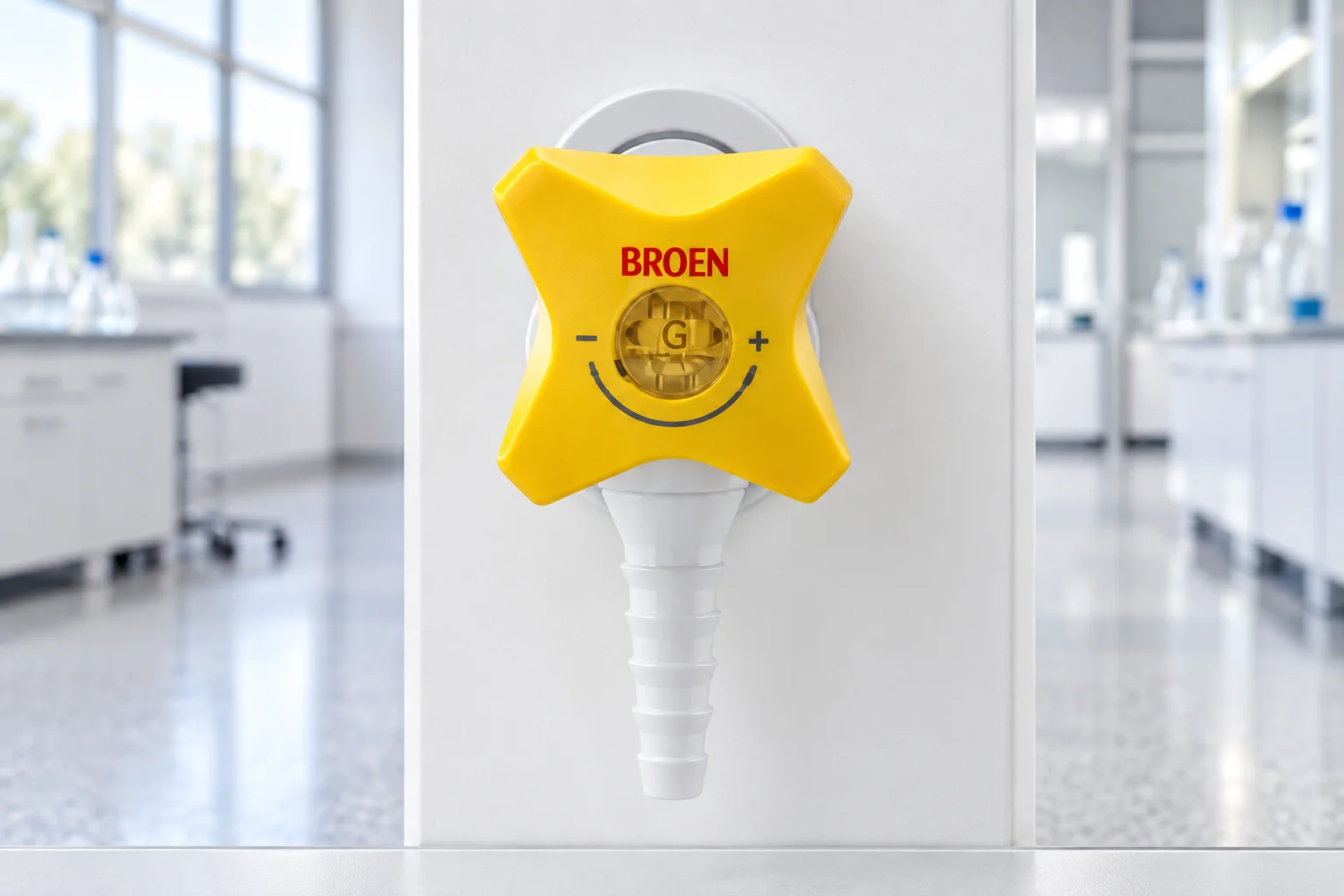
Laboratory armature
Valves for combustible gases are one of the most important components of gas installations used in laboratories, industrial plants and research laboratories.
Interested in this product?
Add to enquiryAddedIn enquiryProtection against accidental opening with Press & Turn.
Body made of brass.
Media: natural gas, LPG, propane, butane, methane, acetylene, hydrogen.
Single, double, and quadruple valves.
Installation: tabletop, suspended, wall-mounted.
Valves for combustible gases are one of the most important components of gas installations used in laboratories, industrial plants and research laboratories. Their primary task is to safely control and regulate the flow of combustible gases such as methane, propane and hydrogen, which require special care during use. Each valve for combustible gases is designed with maximum safety, tightness and reliability in mind. Professional valves for combustible gases are an integral part of systems that use the highest quality laboratory fittings. Compared to solutions designed as valves for non-combustible gases, models for combustible gases have special safety features and clear markings to minimise the risk of error during operation. Laboratory valves used in combustible gas installations must meet stringent technical and safety standards, which translates into protection for users and infrastructure.
Depending on the application and the specific characteristics of the installation, various types of valves for combustible gases are available. The most common are ball valves, needle valves and diaphragm valves, which differ in design and flow control method. Each valve for combustible gases can be adapted to work with a specific medium and working pressure, which allows for precise adjustment to the needs of the laboratory or plant. Valves for combustible gases are also available in wall-mounted, panel-mounted and workstation-mounted versions. In laboratory systems, they often work in conjunction with other components, such as laboratory valves for auxiliary media or valves for non-combustible gases, to create comprehensive and safe installations. The right choice of valve type is crucial for operational stability and reducing the risk of gas leakage or ignition.
The price of valves for combustible gases depends on many factors, including the type of valve, the material of construction, the operating pressure range and the required certifications. A simple valve for combustible gases designed for basic applications will be less expensive, while specialised solutions used in advanced laboratory installations may involve higher costs. When analysing the price category of valves for combustible gases, it is worth considering not only the purchase cost, but also durability, reliability and compatibility with other components, such as laboratory fittings or other laboratory valves. Investing in proven and certified valves for combustible gases guarantees safety, compliance with applicable standards and long-term stability of the entire gas installation.
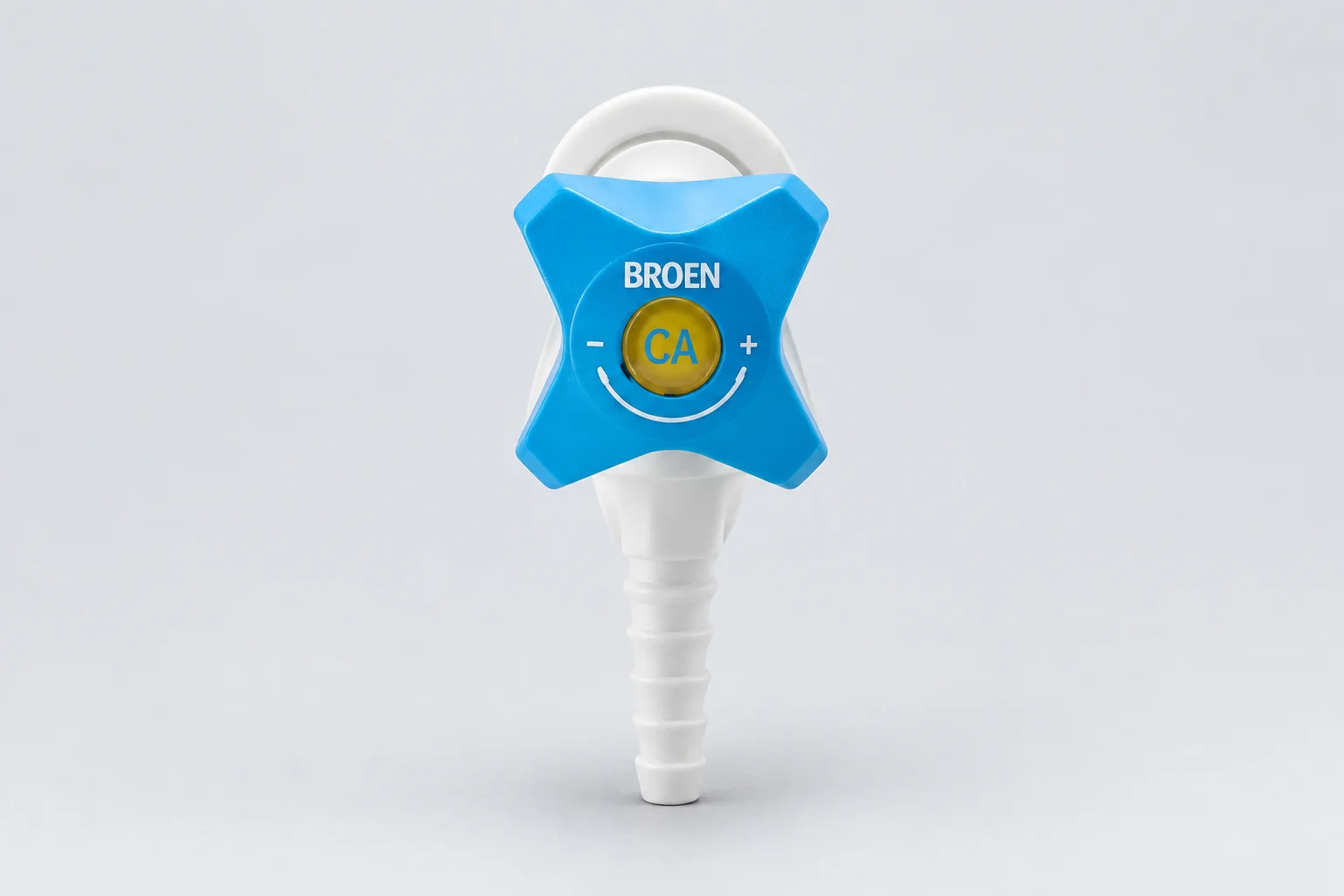
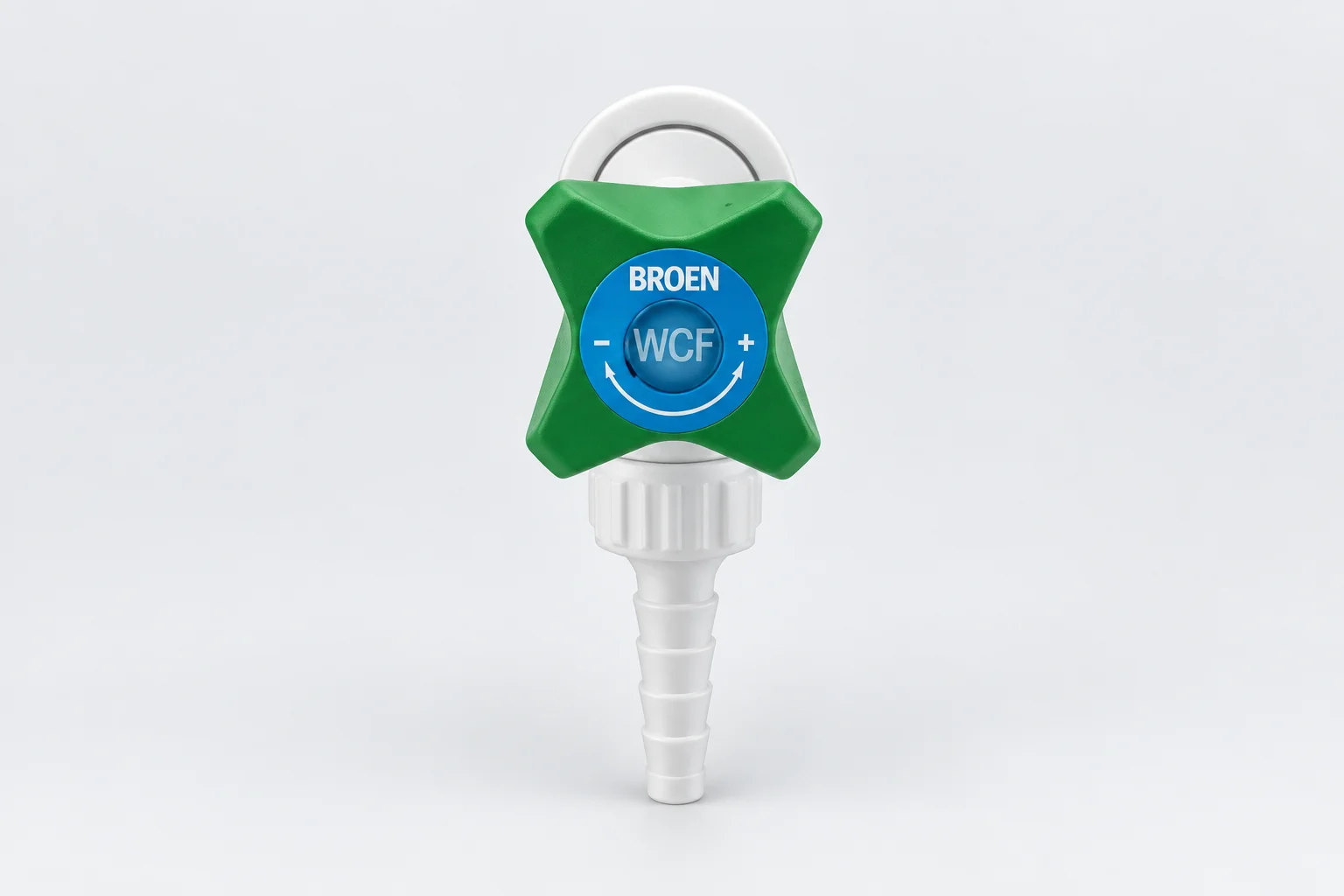
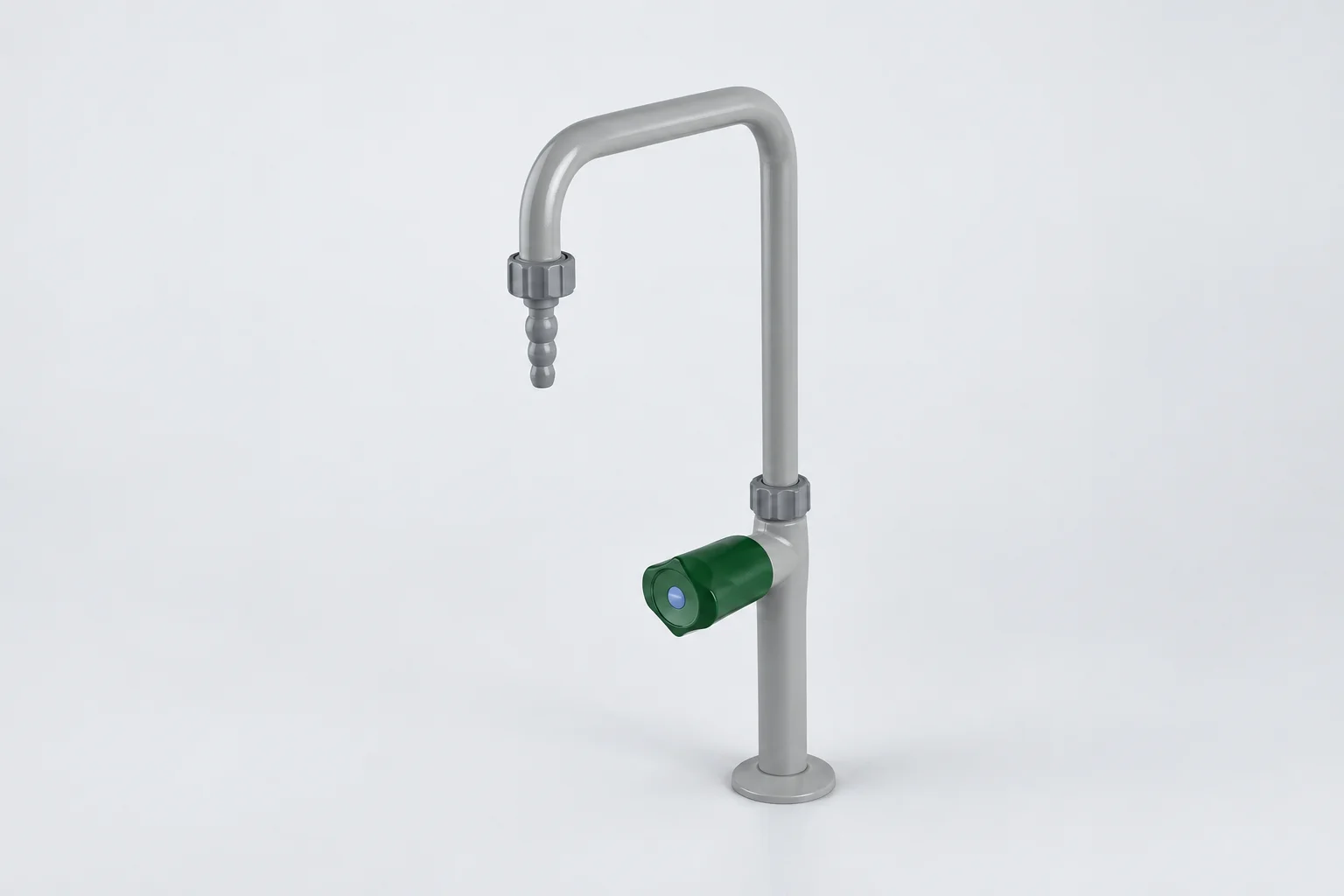
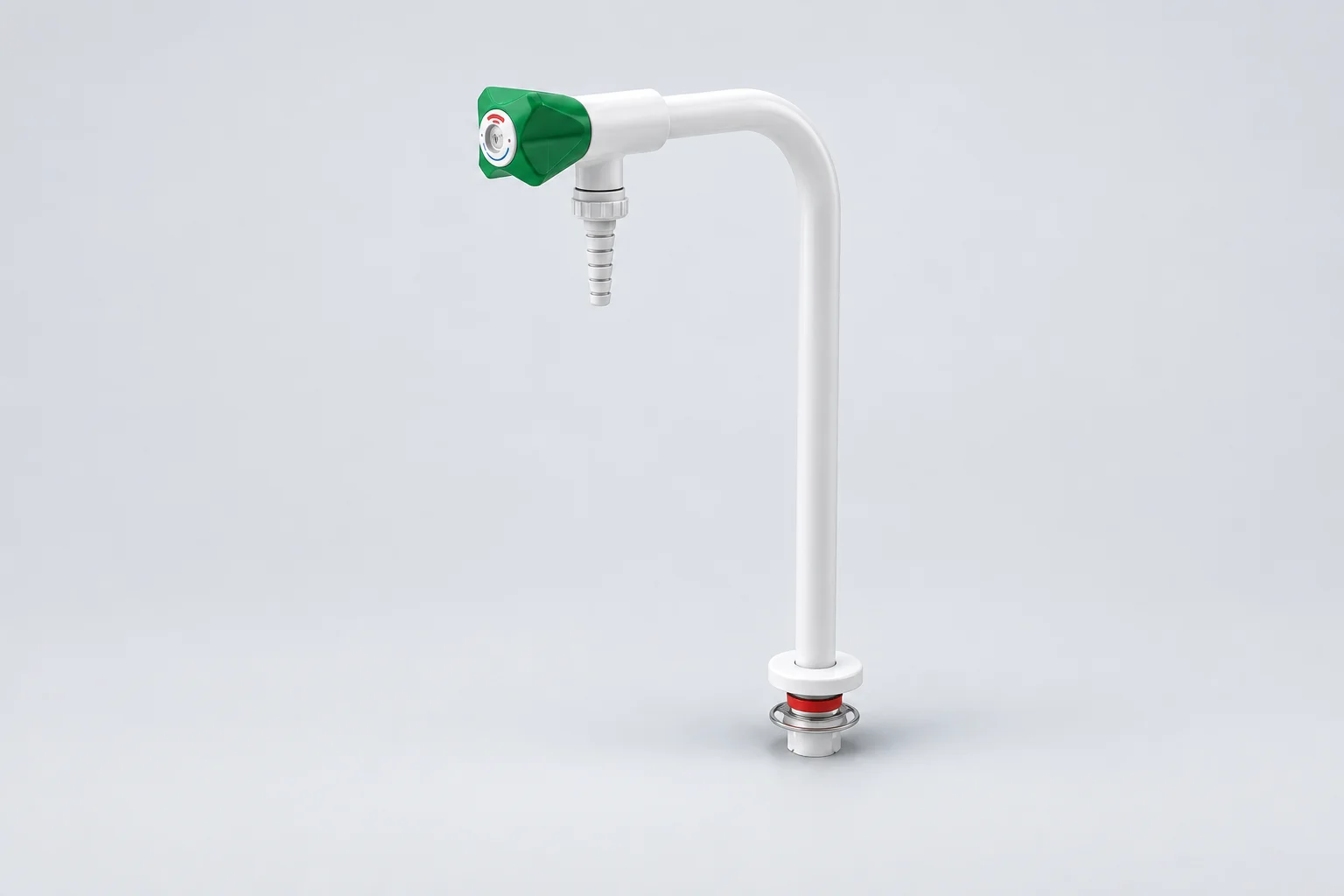
Valves for flammable gases are fittings with Press & Turn protection and a brass body, controlling the flow of natural gas, LPG, propane, butane, methane, acetylene and hydrogen.
Parent category: Laboratory Valves.
Key features:
The remaining products from this group sit in the parent category, and every category is listed in the offer catalogue.
See also: Laboratory Valves, all offer categories, the contact form.
Gas cylinder colours under EN 1089-3:2011: a red shoulder means flammable gas, light blue oxidising, light green inert, and yellow toxic or corrosive.
Safety showers and laboratory eyewashes are essential emergency equipment when working with corrosive substances. The EN 15154 standard defines the required flow rate, water temperature, and the maximum time to reach the device.
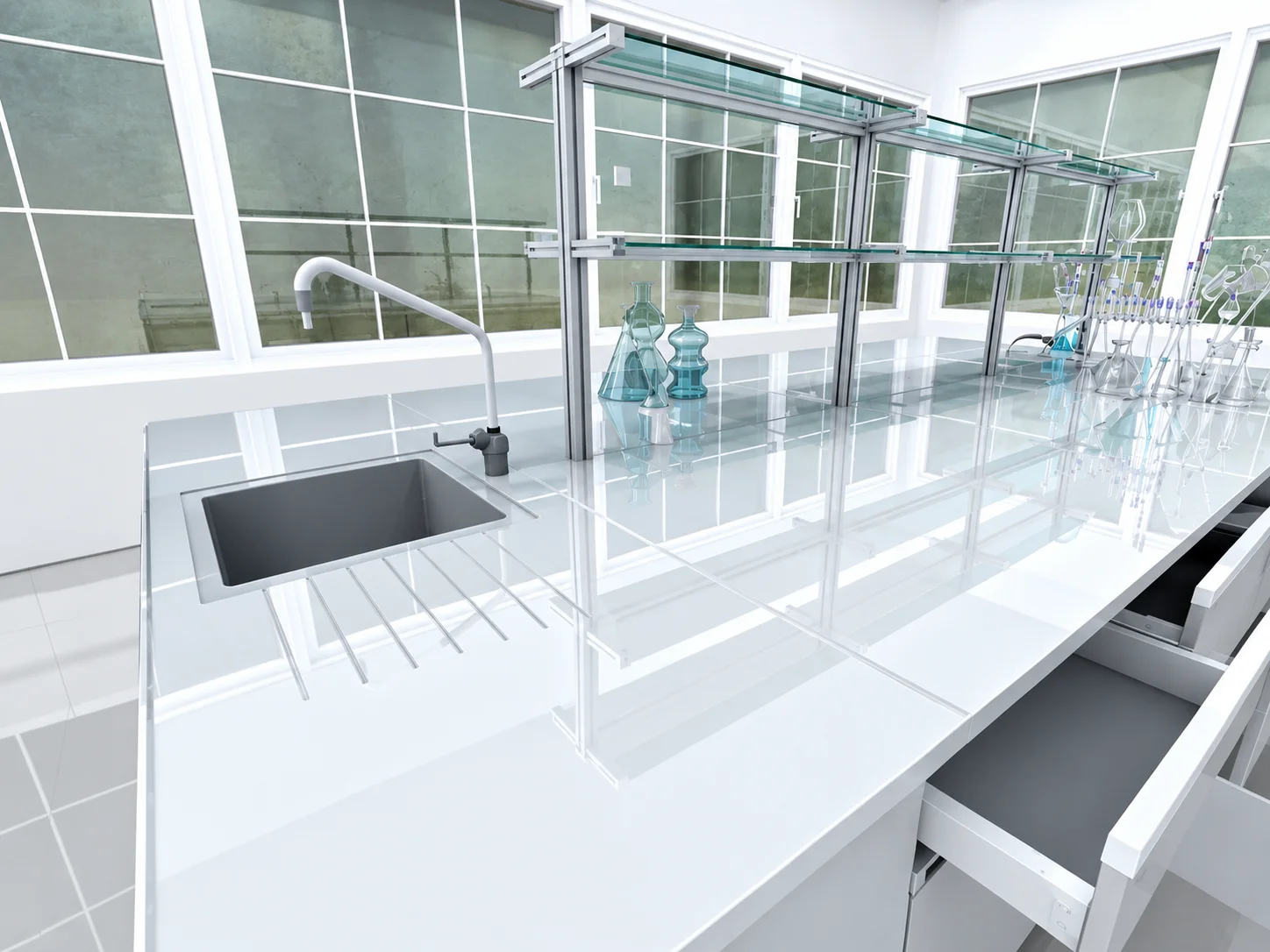
A wastewater neutralizer is a professional device that corrects the pH of liquid chemical waste to a safe range before it is discharged into the sewage network. They are installed directly at the source of aggressive rinses, which effectively protects the infrastructure of the entire building against costly breakdowns.
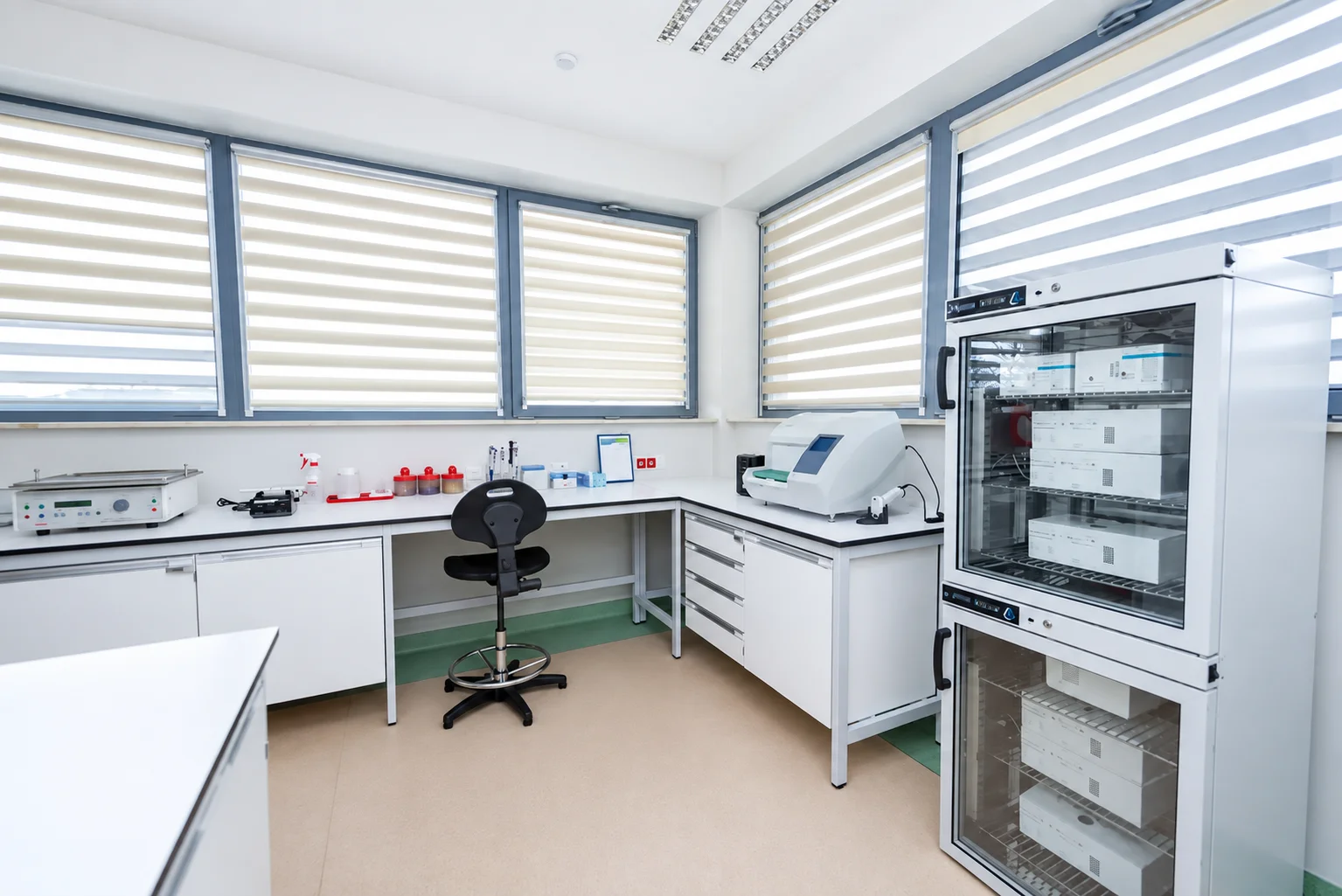
New projects, products and guides on laboratory furniture, in one place.
Tell us what has to happen in the room. We will pick the furniture and work out the rest.
Free project quote.