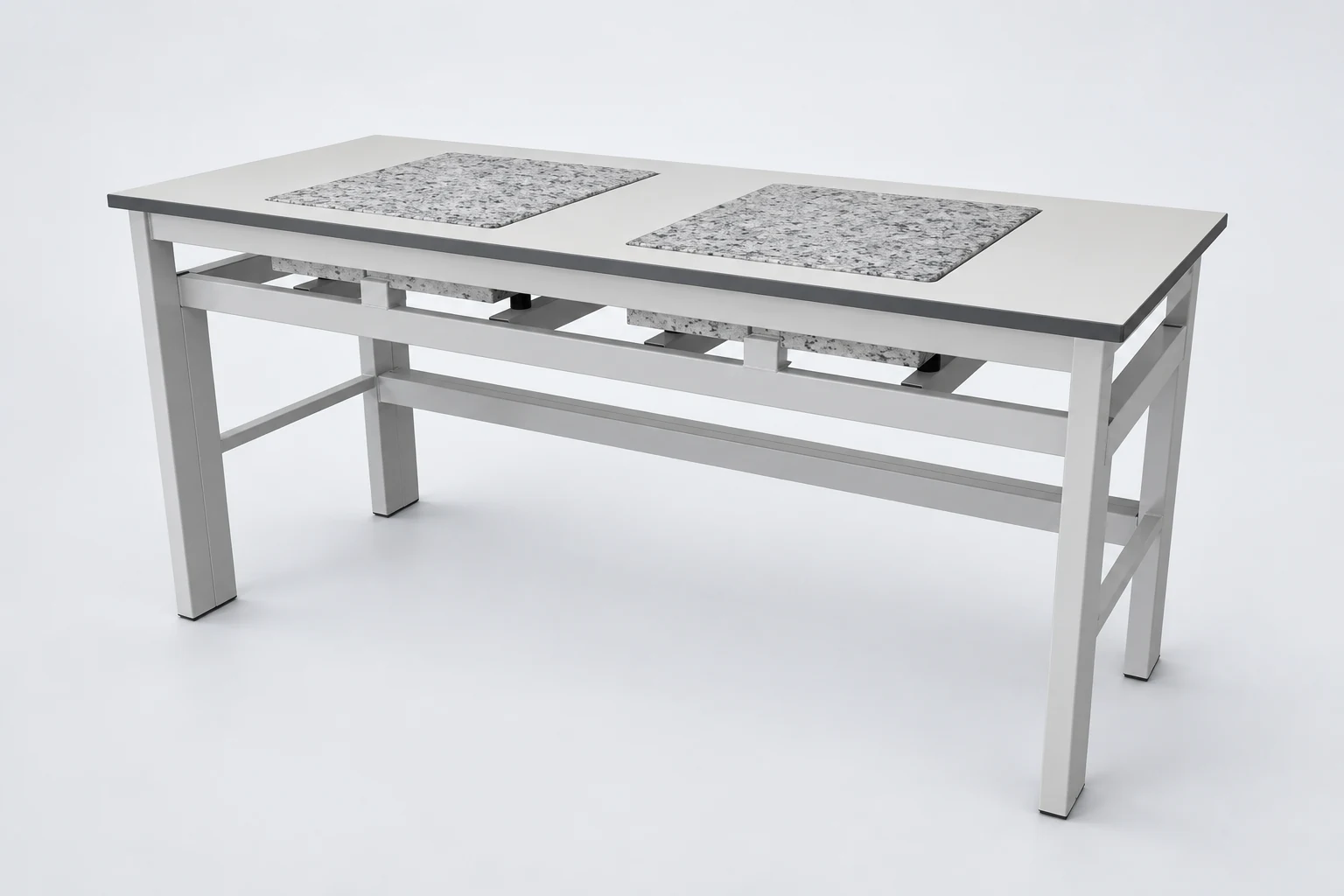
Medical tables are the basic equipment of treatment rooms, diagnostic rooms and clinics, designed in accordance with the requirements of Class I MDR, which guarantees safety of use and compliance with medical standards. Modern models offer a load capacity of 150-200 kg and electric height adjustment, which improves the ergonomics of staff work and patient comfort. The steel-framed design ensures stability and resistance to intensive use in clinical conditions.
An experienced manufacturer Renggli implements custom-made B2B projects, adjusting tables to the specifics of medical procedures, with full engineering support and individual pricing.
What are certified medical tables and how are they classified
Medical tables are essential equipment for medical offices, used in examinations, diagnostics and procedures, as well as stable tables for medical equipment. In accordance with MDR (EU) 2017/745, they are classified as class I devices, which means a basic level of risk and the obligation to meet safety requirements for the medical market (currently also in terms of regulations for 2026).
In practice, medical office tables are most often divided into single-segment, two-segment and multi-segment structures, which allows you to adjust the work surface to the type of procedure and the patient's position. Stability, ergonomics and the ability to integrate with treatment and diagnostic equipment are crucial.
The standard lead time for individual projects is between 2 and 6 weeks, depending on the configuration and equipment. Medical devices of this type are covered by a warranty of at least 24 months, with the possibility of extension and door-to-door service, which is important for medical entities requiring continuity of work.
Renggli implements B2B projects based on individual specifications, ensuring the selection of structures for a specific clinical application and support during the implementation phase.
Specification and technical parameters of medical tables
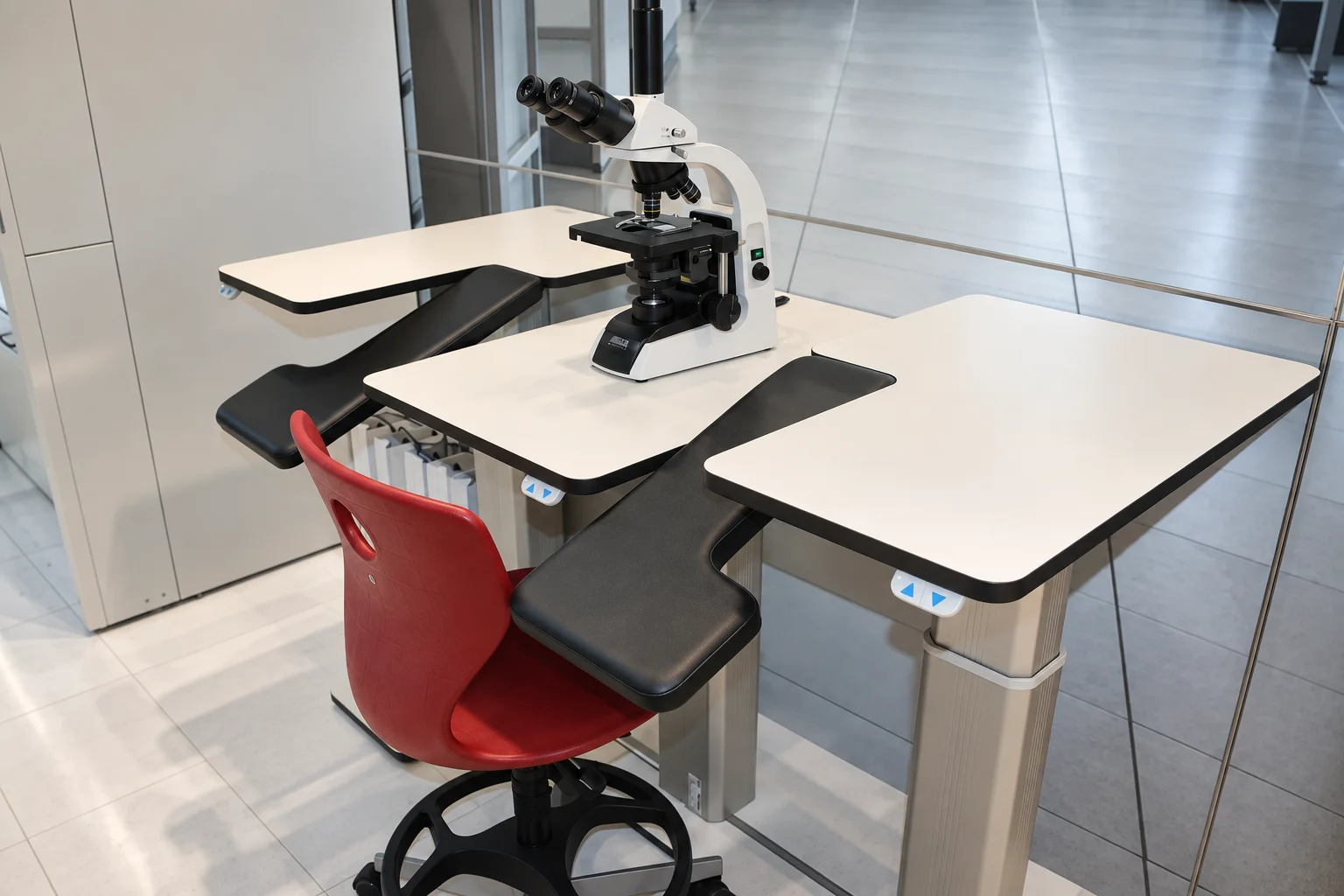
The key parameters of height-adjustable medical tables include a load capacity of 150-200 kg and an adjustment system that directly affects the safety of medical procedures and the ergonomics of staff work.
Types of height adjustment
Electric (electric actuators) – control by hand or foot remote control, highest comfort and precision
Hydraulic – stable, independent of power supply, used in basic procedures
Manual – the simplest, with limited smoothness of adjustment
The greatest safety is provided by electrical systems, which minimize the risk of sudden changes in the patient's position and allow for precise positioning during the procedure.
The tables can be equipped with additional work and storage space under the tabletop: cabinets, side shelves or hanging drawers, which makes it easier to organize tools in the office. The use of polyurethane foam mattresses with a hardness of the second degree is also standard, which provide comfort and adequate support.
The mobility of the table is supported by locking castors that allow the device to be easily moved and at the same time stabilize it during operation, eliminating the risk of uncontrolled movement.
What is the optimal size of a massage and rehabilitation table?
The optimal dimensions of the massage table bed are usually 180–200 cm long and 60–75 cm wide, which ensures patient comfort and ergonomics of the therapist's work. The choice of external dimensions directly affects the load on the spine of the staff and reduces the risk of occupational diseases.
The two-segment design allows the headrest part to be adjusted, which improves patient positioning and increases the range of therapy. Medical worktops are also crucial, as they must provide stability and adequate surface for various therapeutic techniques.
Characteristics of the rehabilitation table for treatment facilities
The rehabilitation tables have reinforced acid-resistant frames, adapted to work with patients after injuries and in functional therapy, including lymphatic drainage. Their design must withstand dynamic loads and intensive use.
Selected models are equipped with a travel wheel system, which facilitates transport within the branch, without losing stability during operation. A flat or multi-segment design allows you to adjust the table to the type of therapy.
What distinguishes a professional surgical treatment table?
Surgical treatment tables allow for precise positioning of the patient, including in the Trendelenburg and anti-Trendelenburg positions. Structural stability is crucial in surgical procedures.
The bed is equipped with seamless, antibacterial tops, which facilitate disinfection and maintaining sterility. Additionally, accessories such as handles, stabilizing belts, drip hangers and clamps are used to increase the safety of treatments.
Legal requirements and mandatory safety certificates
Class I medical equipment in accordance with MDR (EU) 2017/745 must meet stringent formal requirements, including a valid CE declaration of conformity and relevant ISO certifications that confirm safety of use and production quality control. In practice, they are a condition for the release of the product to the market and participation in public tenders.
An important role is alsoplayed by the requirements of the Sanepid, which concern the resistance of materials to disinfection and contact with aggressive chemicals used in medical facilities. The lack of a seamless design that eliminates bacterial breeding sites may result in equipment being rejected in the sanitary acceptance process.
The manufacturer must also provide clear data sheets confirming the non-toxicity of paints, coatings and metals used in the structure, which is the basis for assessing biosafety and compliance with quality standards.
Use of medical tables in clinical and research facilities
Advanced laboratory and medical furniture systems are the basis for the equipment of dental offices, emergency departments and sterilization rooms, where stability and ease of cleaning are important. Their quality has a direct impact on meeting sanitary standards and obtaining certification of the entire facility in acceptance and audit processes.
In modern clinical projects, the microbiological resistance of the surface and the ability to work with sensitive research equipment that requires vibration elimination and a stable substrate are crucial. In practice, this means designing workstations for heavy installations, including medical gas systems and diagnostic equipment.
Implementation data show that facility managers most often choose solutions with high structural stability and easy integration with technical infrastructure, which affects the security of procedures and the continuity of B2B units.
What are the names of specialized tables used in hospitals
Different medical furniture is used in hospitals, depending on the ward and the type of procedures. The basic ones include doctor's tables, treatment tables and operating tables, which differ in the range of adjustment and the level of stability.
Special tables for transporting patients and medical trolleys, adapted to a load of up to approx. 135 kg, are used in the transport of patients. In ICUs and treatment rooms, structures with increased load capacity and more regulatory functions are used, adapted to intensive clinical work.
Method of valuation and rules for ordering custom-made tables
The pricing of custom-made medical tables is done individually, as each project is based on different clinical and technical requirements. The price depends, m.in on the modules used, the type of antibacterial countertops and the degree of integration with the facility's equipment, including elements such as integrated fittings or additional adjustment systems.
B2B manufacturers do not use a standard e-commerce basket because there are no repetitive configurations – each project requires an implementation audit and adaptation to the hospital infrastructure. The analysis process also takes into account steel profiles, the load-bearing capacity of the structure, and possible requirements for specialized solutions such as medical weighing tables.
The final cost estimate is often prepared in the form of an investor document, which facilitates its use in tender procedures and subsidy programs. Warranties including door-to-door service or repairs performed directly at the facility are also standard.
What are the characteristics of ready-made table models on the market
Ready-made rehabilitation tables available on the B2C market or in the segment of small physiotherapy offices tend to have a lighter design and limited functionality compared to clinical-grade systems in medical practice equipment.
They most often use simpler steel profiles and offer a lower load capacity, which may be insufficient when working with patients with higher body weights. There is also limited segment adjustment and a lack of advanced solutions, such as electric actuators, that ensure smooth and safe position changes.
Many models also lack integration with electrical installations that protect against surges, which affects the durability and stability of the equipment in the long term.
Stages of designing modular medical tables for clinics
Designing medical tables in the B2B model begins with an audit of the needs of the clinic, where the procedures, workloads and work arrangement of the staff within the equipment of medical offices are determined. At this stage, Renggli's engineers also analyze the tool flow and ergonomics of clean and dirty zones.
The next step is the selection of the structure, including acid-resistant frames and the configuration of the table top modules, e.g. the headrest segment and the working part. Integration with the facility's infrastructure: casing pipes, medical gas installations and electricity supply is taken into account.
The final stage involves 3D modeling and design validation, which allows the tables to fit the real clinic space and minimize collisions in the treatment zones. Finally, production and implementation documentation is being prepared.
Renggli's delivery and assembly process for height-adjustable medical tables is based on precise installation procedures that ensure stability and full compliance with clinical requirements. The company, which has been operating since 1927 and has over 500 projects, provides solutions fully tailored to the tables for medical equipment used in hospitals and laboratories.
During the installation phase, it is crucial to properly level the structure to ensure absolute stability of the work surface for sensitive equipment such as microscopes or scales. Engineers also connect electrical installations supplying the actuators, which are responsible for smooth adjustment of the height of the table.
The last step is to permanently fix the structure and equipment, which eliminates the risk of vibrations that can interfere with the results of medical measurements. As a result, the tables retain full functionality and stability under conditions of intensive clinical use.
Comparison of system tables and medical furniture from the catalogue
Custom-designed system tables provide higher structural rigidity and integration into installations such as integrated fittings, which is critical in clinical and treatment environments. In contrast, serial catalog models, often based on designs similar to office tables or workbenches, offer limited stability and less resistance to heavy use.
In practice, the differences relate primarily to the safety of working with the equipment – cheaper, free-standing tables may exhibit micro-vibrations when operating optical equipment, which affects the precision of the results. In the long run, system solutions offer better ROI through longer rack life and resistance to material cracks in facilities with high patient turnover.
Comparison:
System tables (custom-made): high stability, plant integration, longer service life
Catalogue tables (series): lower cost, reduced functionality, less load resistance
System solutions are preferred in facilities that require full reliability and compliance with stringent standards of medical work.
FAQ
1. How long does it take to prepare a design and valuation of medical tables?
Usually 3-5 business days after needs audit. This includes a 3D design and a B2B cost estimate prepared by Renggli's engineering team. The service is free and non-binding.
2. How is the integration of tables with electrical and gas installations?
Integration takes place at the 3D design stage, where connections and culverts are planned. This ensures that the installation is collision-free and the actuator wiring is hidden in the structure and protected against damage.
3. What are the terms of warranty and service?
The standard warranty is a minimum of 24 months with the possibility of extension. The service is carried out in the door-to-door model, and the manufacturer provides access to parts and technical inspections.