Utilities and installations
Gas cylinder colours: the shoulder shows the hazard
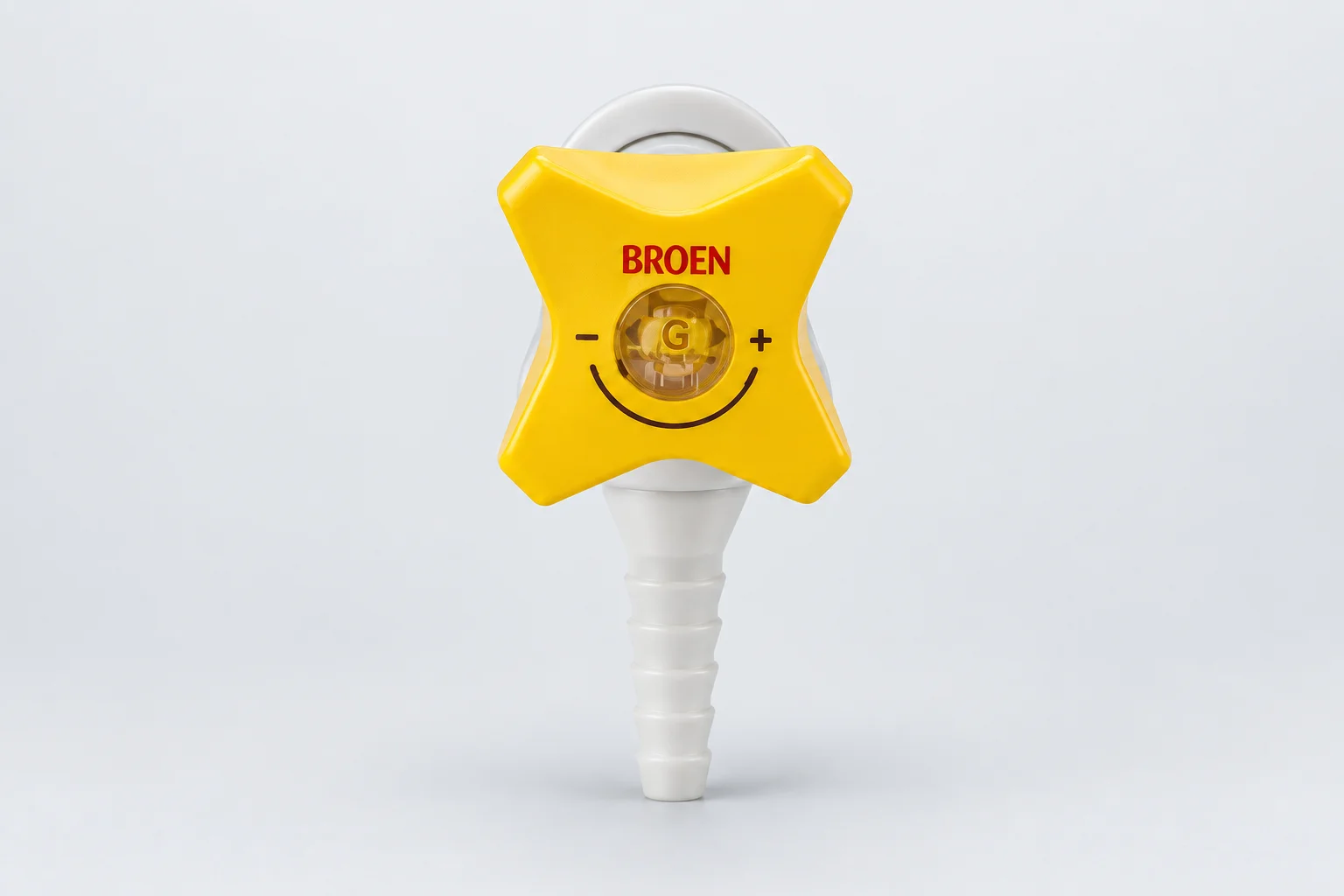
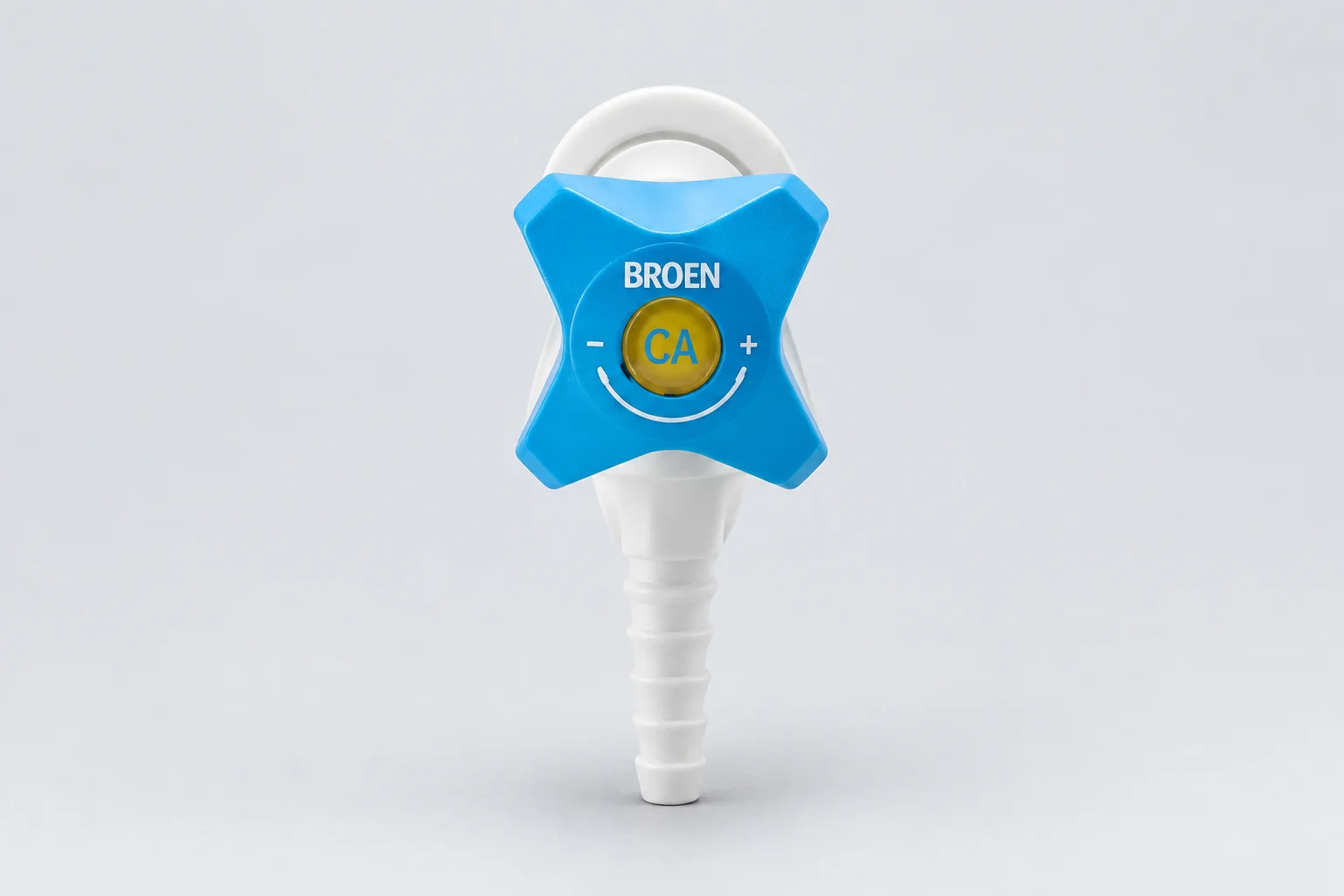
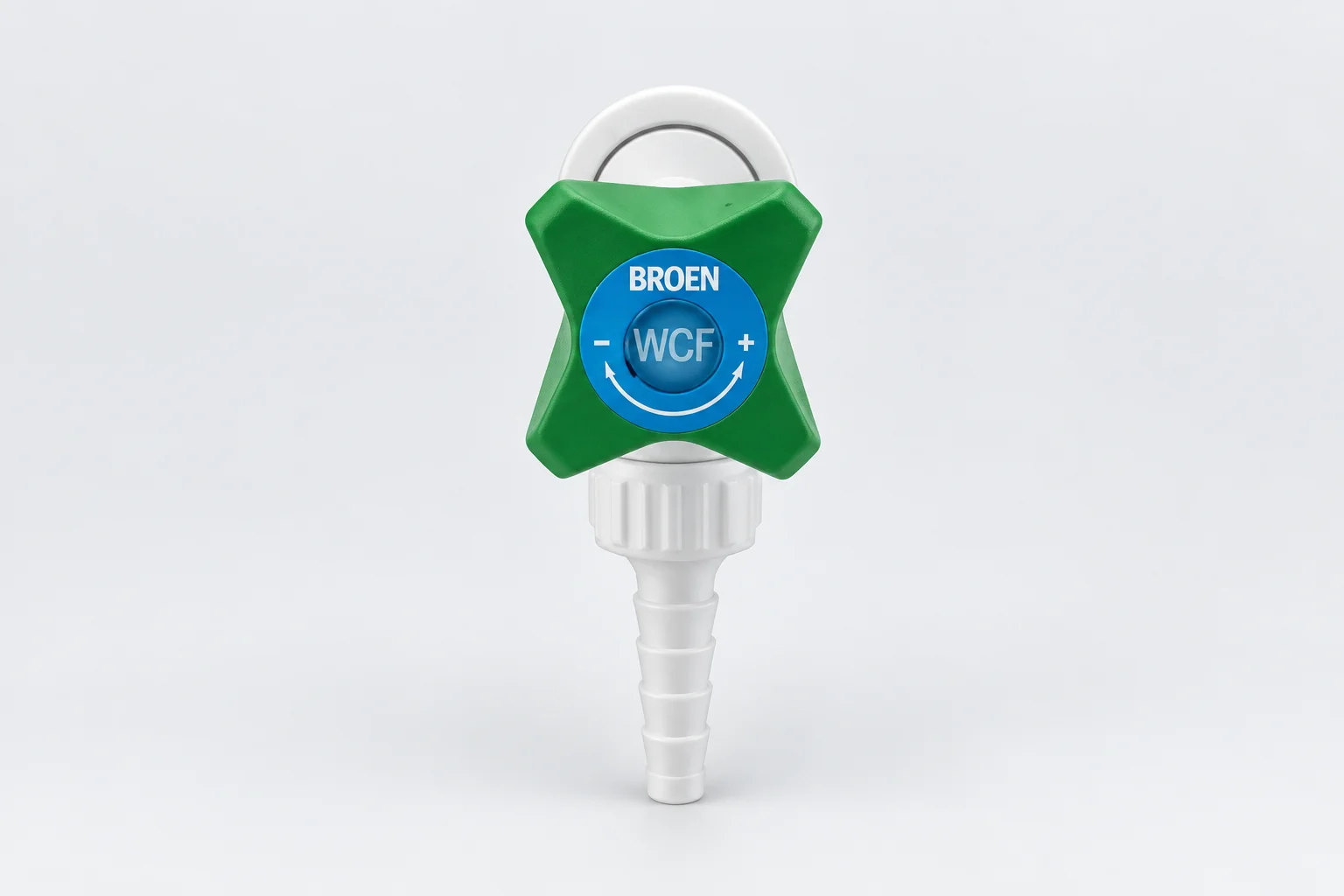
Gas cylinder colours under EN 1089-3:2011: a red shoulder means flammable gas, light blue oxidising, light green inert, and yellow toxic or corrosive.
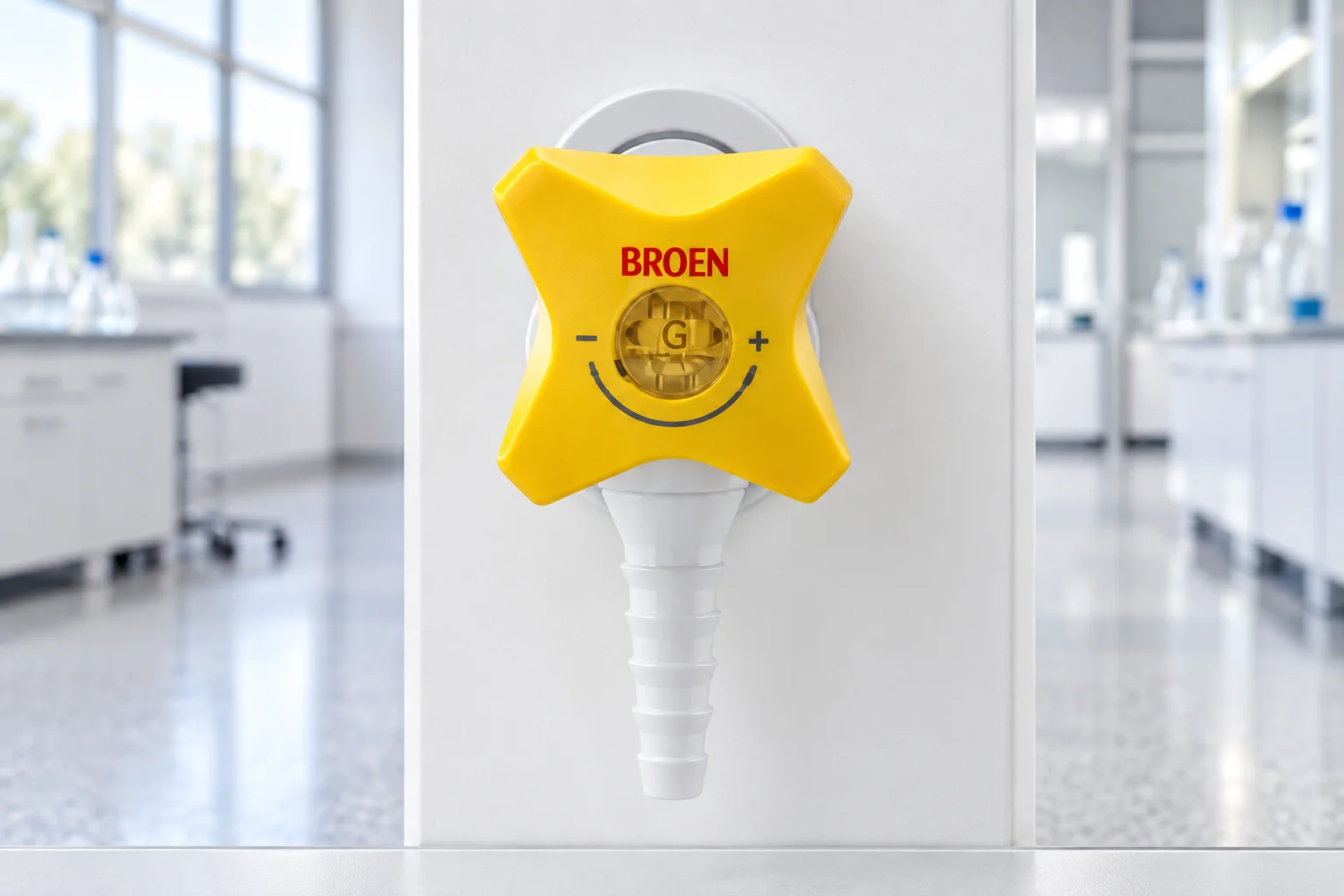
Laboratory taps and valves
Tabletop faucet
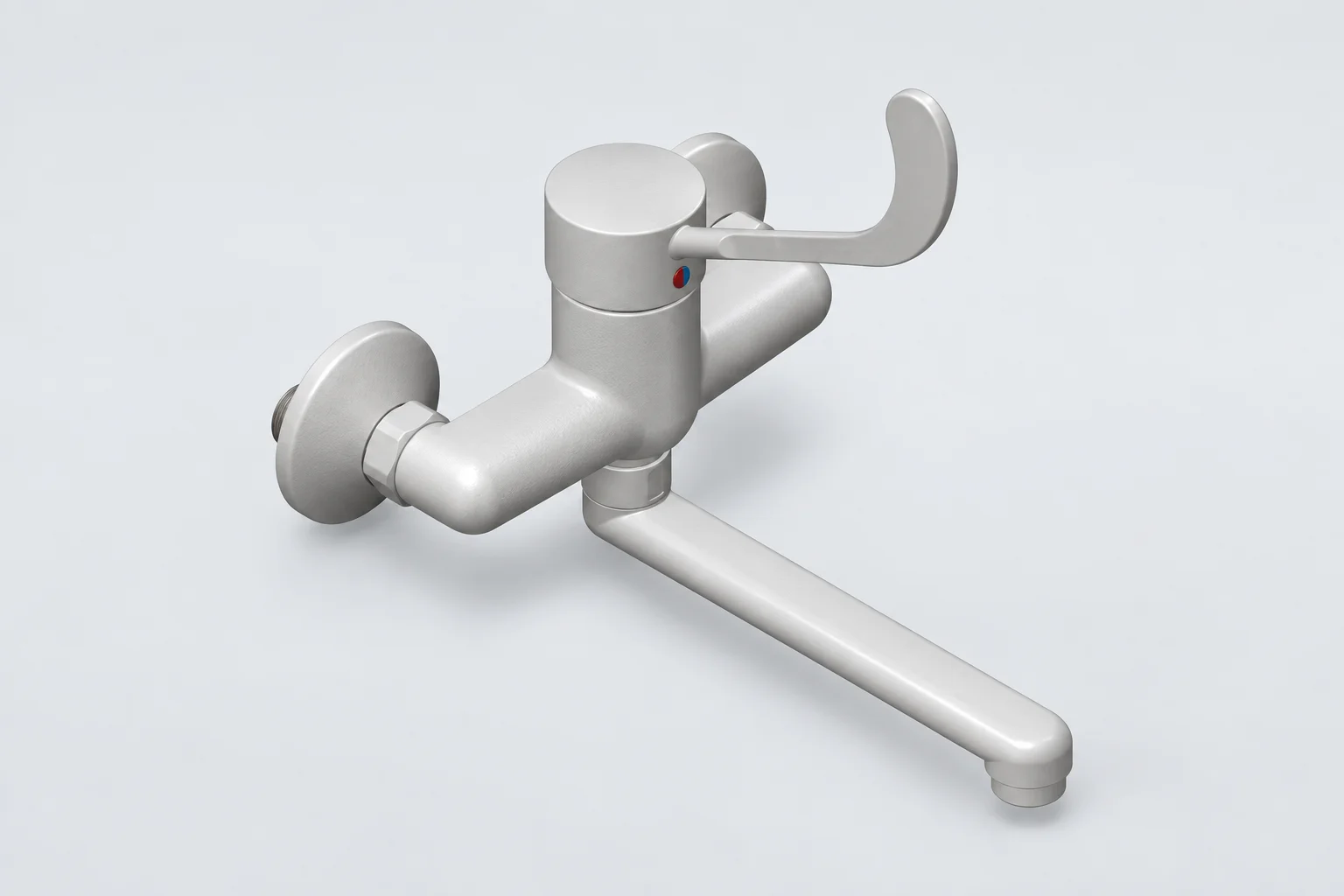
The single-lever laboratory mixer tap is a deck-mounted tap for hot and cold water, 39 cm high with a 30 cm spout, which can be operated with the elbow.
Interested in this product?
Add to enquiryAddedIn enquiryFor hot/cold water, with a mixer.
The internal pipes are made of brass sheet, coated with a layer of epoxy paint.
Extended handle allowing the faucet to be operated with the elbow.
Movable spout.
The single-lever laboratory mixer tap is a deck-mounted tap for hot and cold water, 39 cm high with a 30 cm spout, which can be operated with the elbow. The faucet is equipped with a mixer, allowing the use of both cold and hot water. The internal pipes of the single-handle faucet are made of brass sheet and coated with a layer of epoxy paint. To make it easier to use, the single-handle faucet is equipped with an extended handle, allowing the user to operate the faucet with their elbow when their hands are occupied. The mixer faucet also features a movable water spout. The total height of the single-handle faucet is 39 cm, and the spout length is 30 cm.
The single-handle laboratory mixer faucet is a tabletop faucet for hot and cold water with an elbow-operable extended handle and a movable spout.
Parent category: Water Faucets.
Key features:
Gas cylinder colours under EN 1089-3:2011: a red shoulder means flammable gas, light blue oxidising, light green inert, and yellow toxic or corrosive.
The safety and precision of work in the laboratory largely depend on the quality of the technical installations. Laboratory fittings, i.e. a system of valves and faucets responsible for controlling the flow of gases and water, play a key role here. It enables the safe use of media, minimizes the risk of failure and supports the maintenance of high hygiene standards in modern laboratories.
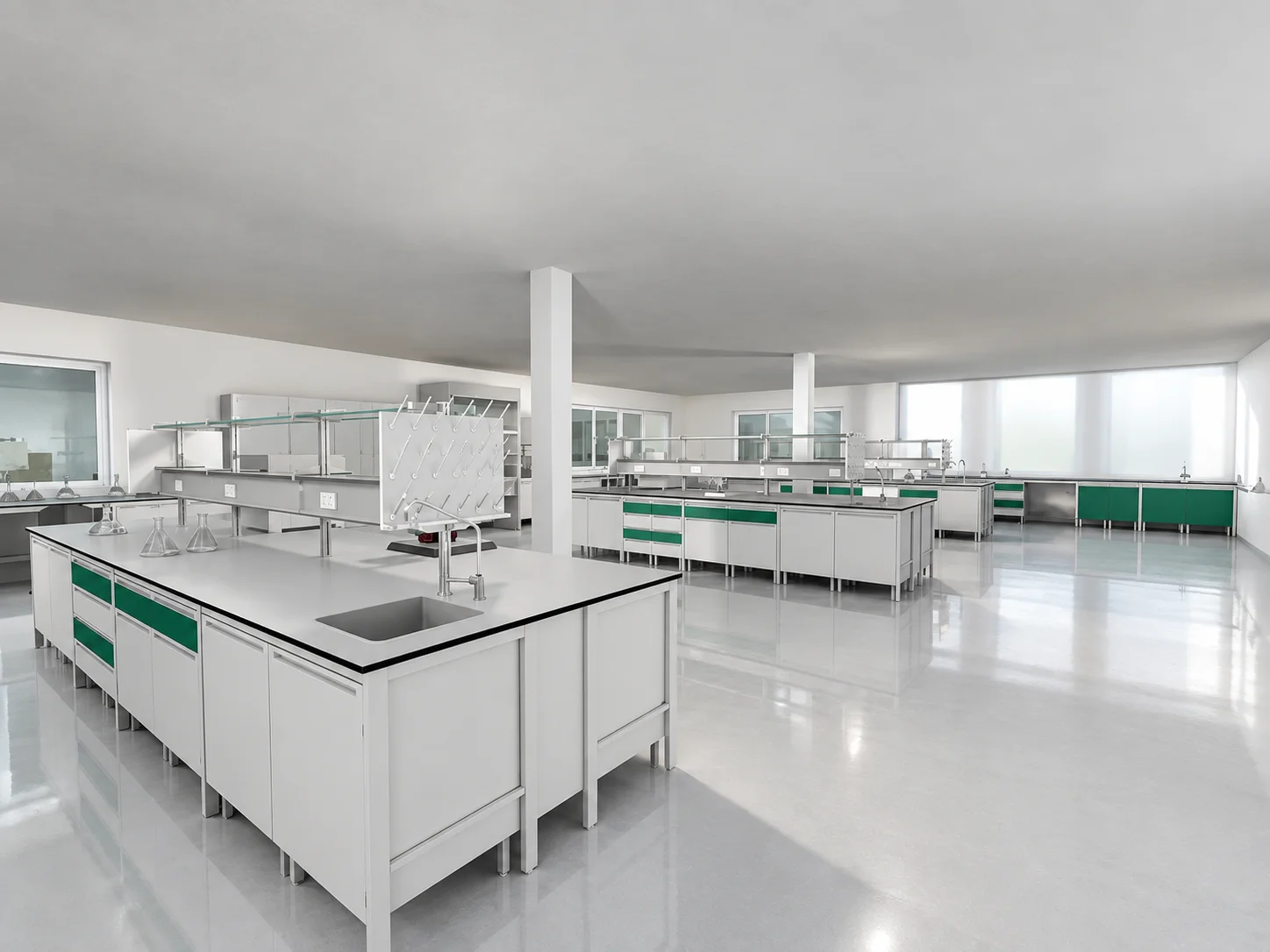
The modern research environment is characterized by extraordinary dynamics. Changes in the profile of conducted research, the introduction of new analytical technologies, or even the turnover and expansion of scientific teams mean that laboratory space must be ready for evolution. Designing a laboratory solely for current needs is a trap that in a few years can lead to costly reconstructions and downtime in the facility's operation.
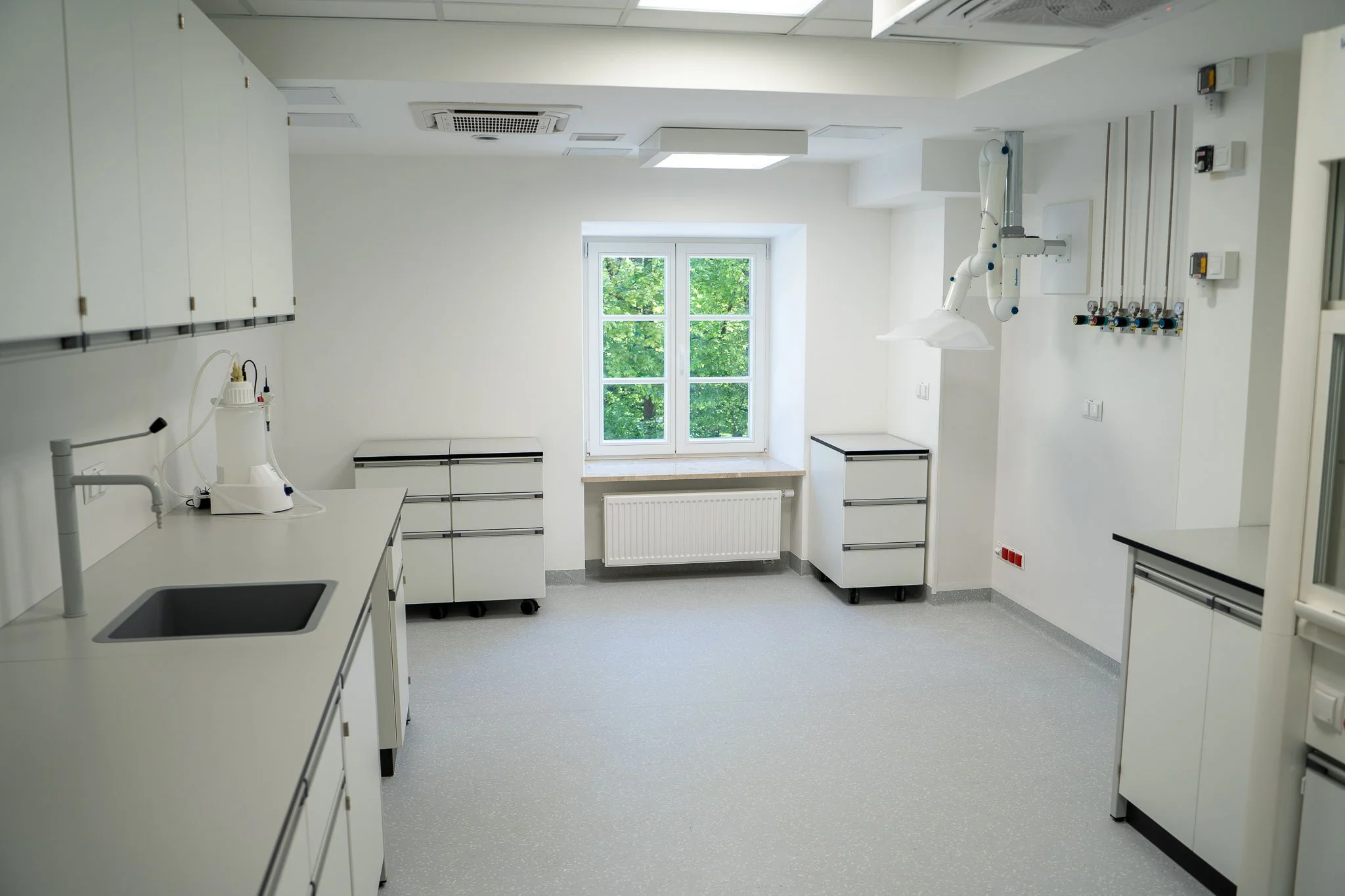
New projects, products and guides on laboratory furniture, in one place.
Tell us what has to happen in the room. We will pick the furniture and work out the rest.
Free project quote.