Skip to content

Laboratory Sinks

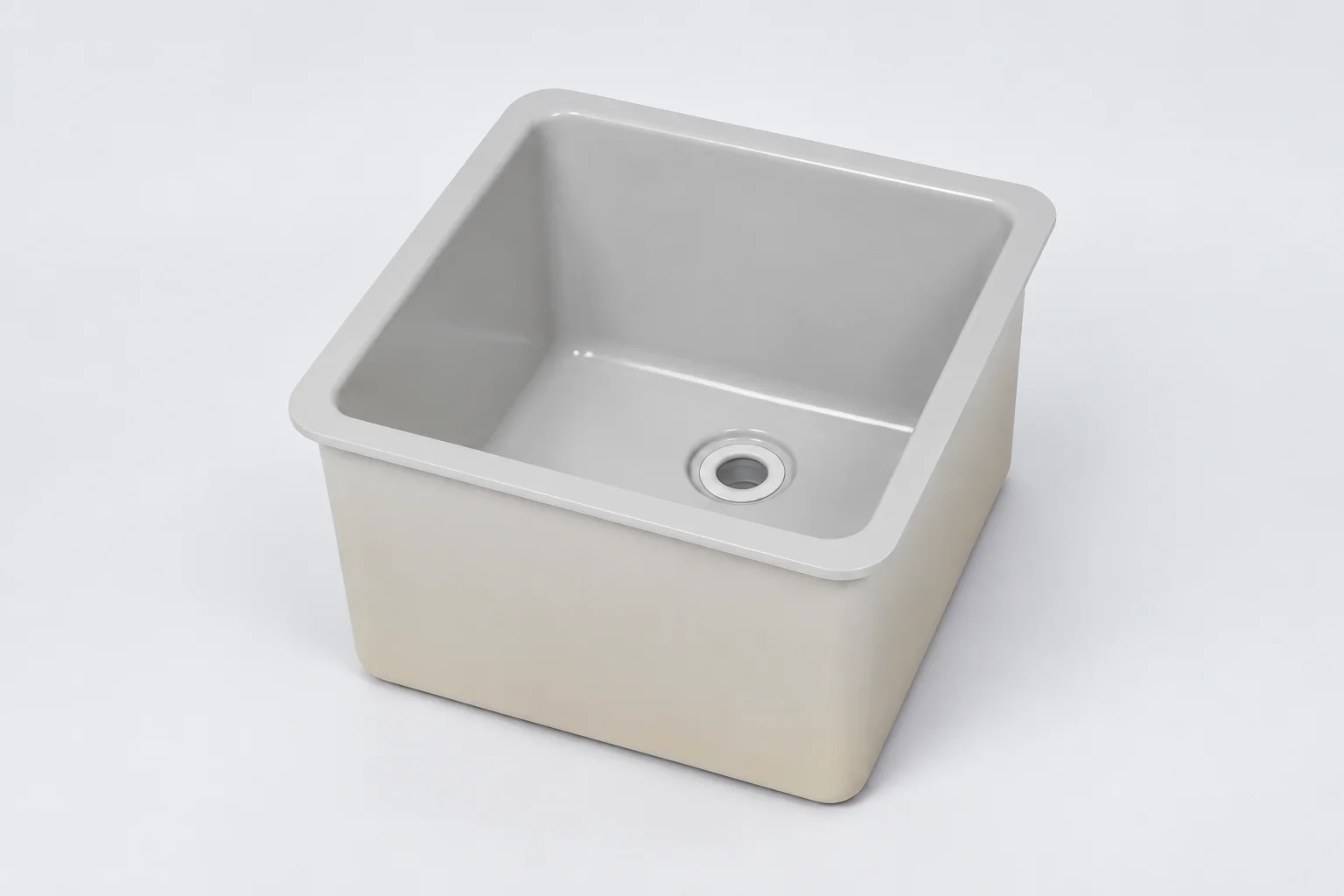
Monolithic ceramic sink

Monolithic ceramic laboratory sinks are single- or double-bowl units that are resistant to acids, alkalis and high temperatures; they are available as under-mounted, flush-mounted or top-mounted units.

  • Available in single or double-basin options

Interested in this product?

Add to enquiryAddedIn enquiry

Features

Key features of the ceramic sink

  • Chemical resistance

    Very good chemical resistance to acids and bases

  • Heat resistance

    Good resistance to high temperatures

  • Three mounting types

    Installation: under-mounted, flush with countertop, top-mounted

On this page

Monolithic ceramic laboratory sinks are single- or double-bowl units that are resistant to acids, alkalis and high temperatures; they are available as under-mounted, flush-mounted or top-mounted units. Manufactured in accordance with current European standards for laboratory equipment, they meet high-quality requirements, ensuring their safety and reliability in use. The production process utilizes highly dense stoneware, which provides exceptional durability and longevity of the sinks, even under demanding laboratory conditions.

High-quality ceramic laboratory sinks are an indispensable piece of equipment in any modern laboratory - whether chemical, biological or industrial. Their main advantage is their exceptional resistance to chemicals, high temperatures and mechanical damage. This makes ceramic laboratory sinks the perfect solution for everyday use in demanding working conditions. Laboratory ceramics are a material with an extremely durable structure that retains its properties even after many years of intensive use. Ceramic sinks are resistant to acids, alkalis, dyes and organic solvents, making them indispensable in environments where precision, safety and hygiene are important.

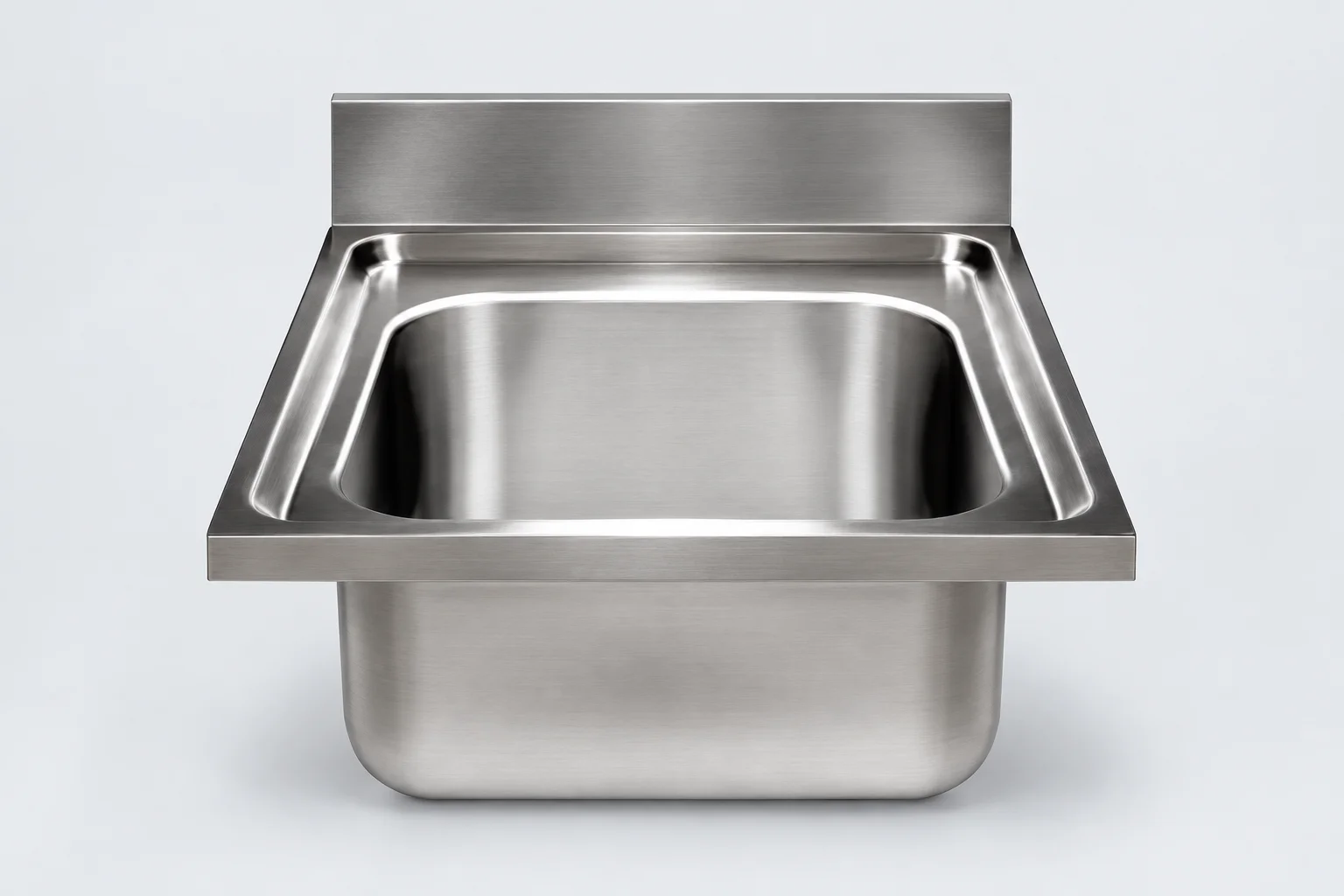
In addition, the ceramic surface is smooth and non-porous, making it easy to keep clean. It does not absorb liquids or odours, and its neutral white colour blends in perfectly with other laboratory equipment. It combines aesthetics, durability and functionality to meet the highest industry standards. Depending on the user's needs, laboratory sinks are available in various sizes and configurations - from small countertop sinks to larger models installed in workbenches or specialised workstations. They can be made of stainless steel or other materials.

Ceramic sinks for laboratories

Modern ceramic sinks for laboratories combine elegant design with excellent functional properties. They are designed for intensive use in research, educational and industrial facilities, where resistance to chemical and thermal factors is important. In chemical and pharmaceutical laboratories, ceramic sinks are used not only for standard washing of glassware and equipment, but also for draining aggressive substances that could damage sinks made of other materials. Thanks to its structure, ceramic does not corrode, does not react with substances and retains its appearance for many years. Another important feature is its high temperature resistance. A ceramic laboratory sink can easily withstand contact with hot water, steam and sudden temperature changes, making it an extremely versatile solution.

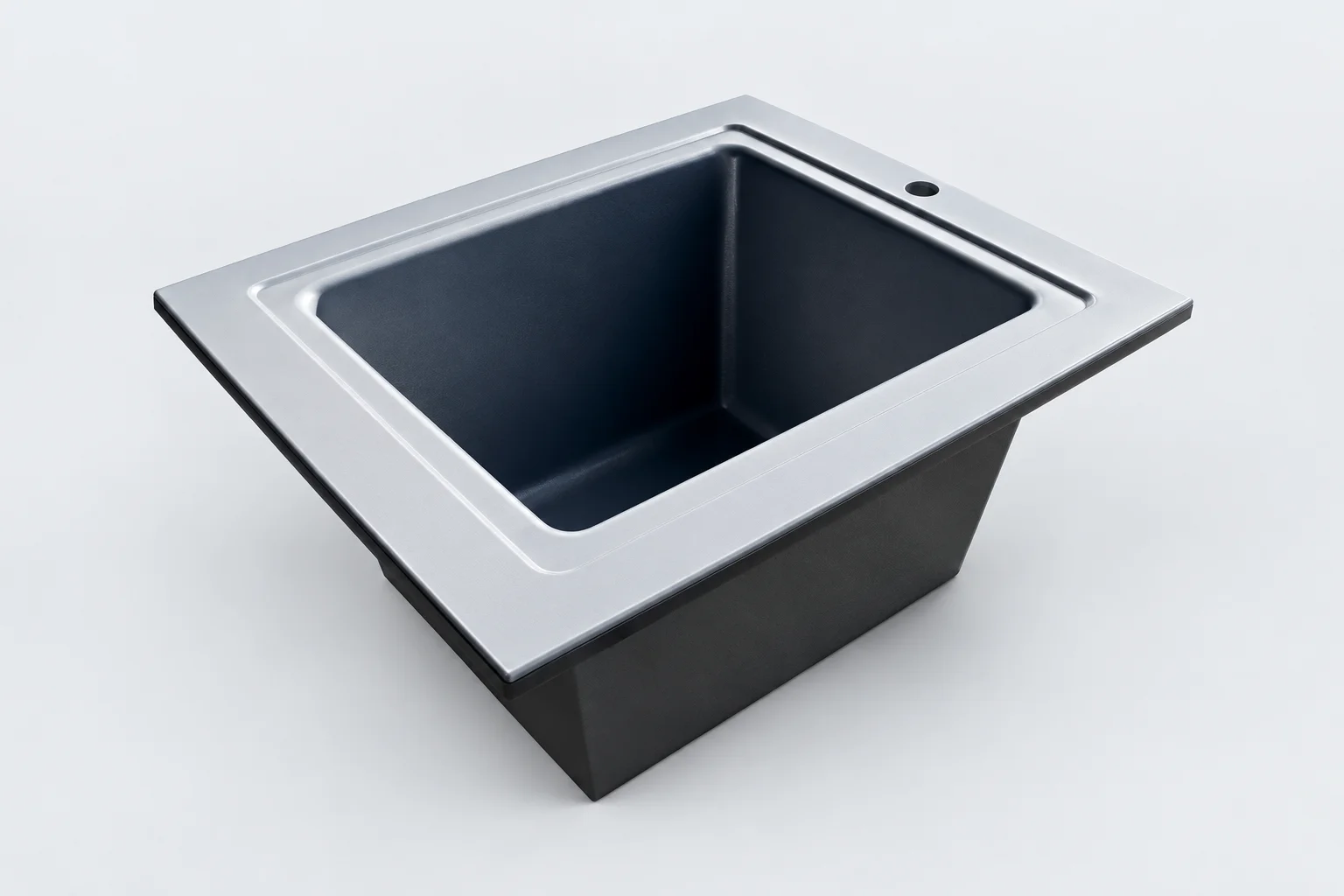
Manufacturers offer various sink models - classic rectangular ones, deep bowls for washing large items, as well as corner versions or ones integrated with laboratory worktops. The choice of the right model depends on the specific nature of the work and the available workspace. It is also worth paying attention to the ease of installation - sinks can be installed in laboratory furniture with laminate worktops as well as with epoxy resin or conglomerate worktops. Their universal design allows them to be adapted to different types of research stations. Epoxy resin sinks are also available.

Ceramic laboratory sink - price

The cost of purchasing a ceramic laboratory sink depends on many factors, such as size, ceramic thickness, type of installation and manufacturer. Standard countertop models are available at attractive prices, while more advanced sinks for specialised laboratories may have a higher price due to additional reinforcements or customised dimensions. It is worth remembering that investing in a laboratory sink is a purchase for years to come. Ceramic is an extremely durable, damage-resistant and easy-to-maintain material, which means that the total cost of ownership over the long term is lower than for sinks made of other materials, such as polypropylene.

We offer a wide range of models - from compact single and double sinks to large bowls for installation in worktops. We can manufacture sinks to individual orders, taking into account the dimensions and installation method adapted to a specific room. An additional advantage is that the sinks do not require frequent maintenance or specialised cleaning. Their smooth, glazed surface can be kept clean with standard cleaning products, which significantly reduces operating costs.

FAQ

Frequently asked questions

Monolithic ceramic sink is a high-density stoneware sink resistant to acids, bases and high temperatures, available in single or double-basin options.

Parent category: Laboratory Sinks.

Key features:

  • Good resistance to high temperatures
  • Very good chemical resistance to acids and bases
  • Available in single or double-basin options
  • Installation: under-mounted, flush with countertop, top-mounted
Projects

Laboratory Sinks in our projects

From the blog

We write about it

  • 6 min read
    Worktops, sinks and materials

    Laboratory sink: how to choose the size and design the chamber depth?

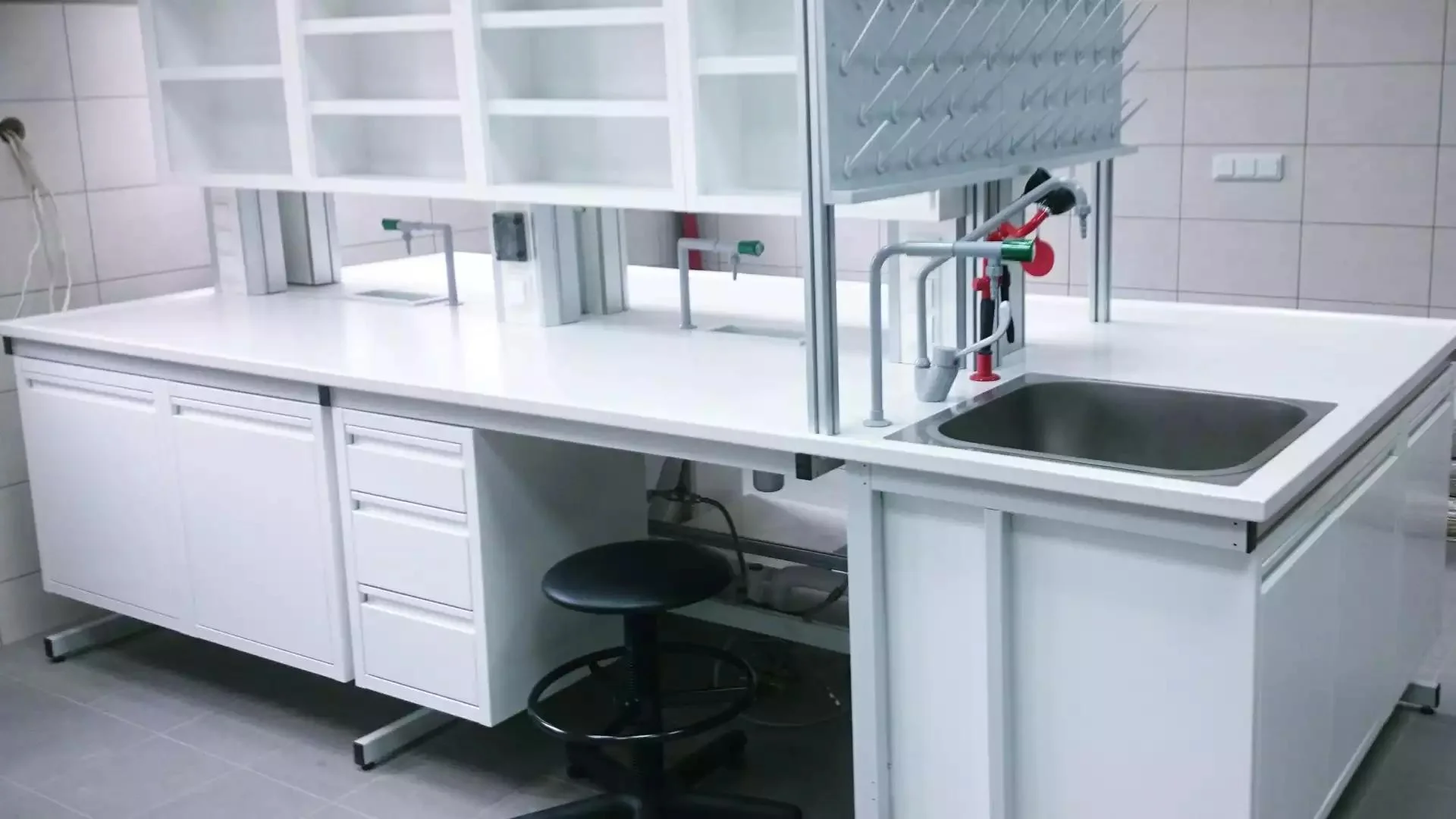
    The dimensions of the chamber are matched to the size of the washed glass and the width of the base cabinet. Proper determination of these dimensions allows for maintaining full ergonomics and optimal workflow in the wet zone. A wide selection of available solutions, from small sinks to large, multi-liter sink chambers facilitates the precise configuration of any workstation. The selection is usually made individually through a request for quotation, as professional laboratory sinks are made directly to measure.
  • 6 min read
    Utilities and installations

    Laboratory fittings - types of valves, gases and media in laboratory equipment

    The safety and precision of work in the laboratory largely depend on the quality of the technical installations. Laboratory fittings, i.e. a system of valves and faucets responsible for controlling the flow of gases and water, play a key role here. It enables the safe use of media, minimizes the risk of failure and supports the maintenance of high hygiene standards in modern laboratories.

  • 4 min read
    Fume hoods and ventilation

    What is a laboratory fume hood and what is it for?

    A fume hood (laboratory extractor) is a glazed cabinet equipped with a ventilation system, designed for safe work with chemical and biological substances in laboratory conditions. It is one of the most important protective devices used in chemical, analytical and industrial laboratories. A fume hood, also known as a fume hood or chemical extractor, is a key component of an occupational health and safety (OHS) system.

Newsletter

Stay up to date with Renggli

New projects, products and guides on laboratory furniture, in one place.

By subscribing you agree to receive messages from Renggli and accept the privacy policy. You can opt out at any time.

Let us plan your laboratory

Tell us what has to happen in the room. We will pick the furniture and work out the rest.

Add to enquiryAddedIn enquiry

See the projects

Free project quote.